A winter road trip from Toronto to North Carolina in a Hyundai Ioniq 5 reveals surprising insights into real-world EV efficiency, cost, and the impact of speed, temperature, and charging strategy on long-distance electric driving.
Real-World Test: 1,600 Miles, 17 Hours Each Way
Long-distance EV travel can be smooth and efficient—with the right planning and charging strategy. A recent Reddit post detailed a 1,600-mile round trip from Toronto to North Carolina in a Hyundai Ioniq 5, offering a rare and honest look at what extended electric travel really costs in the wild.
Traveling with five passengers and luggage, the trip took 17 hours each way. Winter conditions and highway speeds made this a demanding test for the Ioniq 5—and the numbers didn’t disappoint.
Charging Cost: $330 for the Round Trip
Despite charging efficiency and the Ioniq 5’s solid range, the total charging cost came in at $330 USD. That’s a steep contrast to a $120 fuel bill for a gas-powered Honda Civic making the same trip.
Why the gap? The biggest factor was DC fast charging, with rates ranging from $0.37 to $0.70 per kWh. Without charging subscriptions, the driver paid standard rates at Tesla and Electrify America stations—a factor worth considering when planning longer EV trips.
Speed and Cold: The Efficiency Killers
Winter weather and highway speeds had a clear impact on energy usage. The Ioniq 5 averaged 26 kWh per 100 km, dropping briefly to 21 kWh when the temperature rose. Driving at 75–80 mph (120–130 km/h), combined with a full load and cold temps, significantly reduced efficiency and range.
Many EV owners suggest that dropping just 5–10 mph could have extended range by 20–30%, reducing both charging time and cost.
Charging Time Adds Up
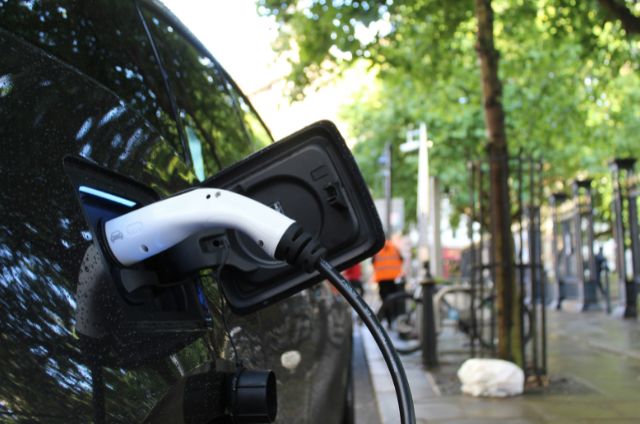
With fast charging needed roughly every 1.5 to 2 hours, the driver spent a total of about 3 hours charging during each leg of the trip. While the Ioniq 5 can charge at impressive speeds (up to 230 kW), not all chargers delivered. Some Tesla Superchargers delivered lower-than-expected speeds (around 97 kW), a reminder that charging performance can vary based on location and demand.
Costly—but Not the Full Story
The takeaway? Yes, fast-charging on long winter trips can add up—but having a charging plan can significantly reduce costs and make long-distance travel more efficient.
Most EV miles are driven locally, where home charging costs a fraction of public rates. In those conditions, EVs typically outperform gas cars on total cost of ownership. And for this driver, the convenience of never visiting a gas station, lower maintenance, and a smooth driving experience were all part of the payoff.
Final Thought
A $330 charging bill on a 1,600-mile winter road trip might raise eyebrows—but it highlights the importance of smart route planning and charging strategies to make the most of long-distance EV travel. For those who drive mostly local miles, the Ioniq 5 and other EVs remain cost-effective, convenient, and fun to drive. Just know that the open road still favors the prepared.