←Back to the EVhype Newsletter issue
A Bold Step Toward Simplicity
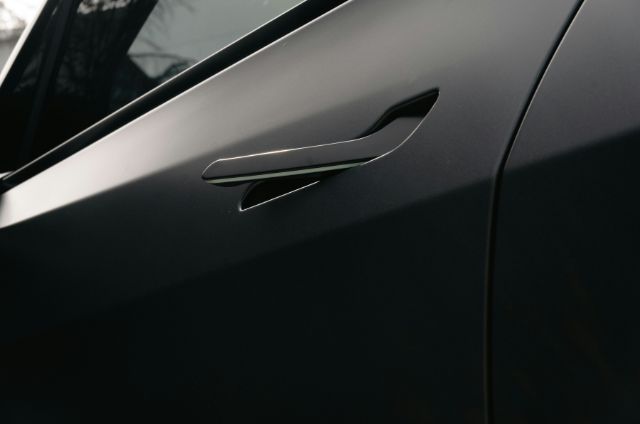
When designing the Tesla Model 3, Elon Musk and his team pursued a clear vision: eliminate unnecessary parts and create a seamless, software-first experience. That included one detail most automakers never questioned—the door handle.
Inspired by intuitive tech like the iPhone, Tesla introduced electric door handles and interior buttons controlled by the car’s 12V system. The goal was simple: reduce complexity, enhance design, and offer a futuristic user experience.
Safety in a Digital Age
In Tesla vehicles like the Model 3 and Model Y, door mechanisms are powered electrically. Features like smartphone unlocking, auto-presenting handles, and interior buttons all rely on the 12V system. To ensure accessibility in emergencies, manual front-door release levers are built into the design.
For rear passengers, Tesla includes emergency mechanical releases discreetly integrated into the rear doors, reflecting a balance between clean design and safety functionality.
How the Industry Builds for Safety
Across the auto industry, safety design follows established standards—like ISO 26262 and FMVSS—which emphasize reliability, redundancy, and real-world testing. Traditional systems often feature visible mechanical backups.
Tesla’s design takes a different approach: using software and sensor-driven automation while maintaining manual options where needed. This forward-thinking method challenges convention while remaining focused on user safety.
Continuous Improvement
Tesla continues to refine its approach. A recent update to the vehicle safety system ensures that doors automatically unlock when a severe collision is detected. This helps emergency responders gain access, further reinforcing Tesla’s commitment to both innovation and safety.
Moving Forward
Tesla’s electric door handles represent more than just a design choice—they reflect the brand’s commitment to rethinking the driving experience from the ground up. As EVs evolve, features like these show how automakers can blend modern aesthetics with practical engineering.