A Market Evolving, Not Slowing
The federal $7,500 EV tax credit played a major role in accelerating electric vehicle adoption in the U.S. In 2025, EV sales hit a record high, topping 400,000 units in Q3 alone.
But now, with that incentive phased out, the market is recalibrating. Some buyers are pausing to reassess, while automakers are taking this moment to refine their strategies and respond to real-world needs.
Buyers Want More Than Just Range
As EVs move into the mainstream, buyers are looking beyond hype and horsepower. Practical questions lead the way:
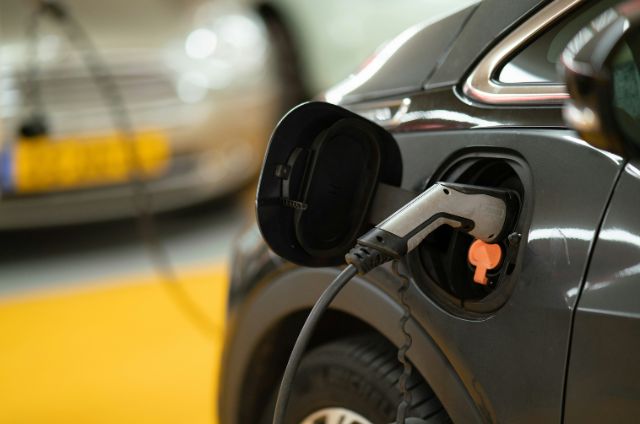
- Is charging convenient where I live?
- Can I easily road trip with an EV?
- Is the technology built to last?
These are real concerns, especially as more people consider making an EV their primary vehicle. At the same time, EV ownership brings rewards—lower fuel costs, less maintenance, and a smoother drive. In fact, without factoring depreciation, EVs are $400 cheaper per year to own than gas cars.
Automakers Pivot Toward Practicality
Carmakers aren’t pulling back—they’re focusing smarter. Instead of flooding the market with high-end models, brands like Ford and Chevy are rolling out affordable EVs under $30K, tailored for real drivers.
They’re also investing in charging networks and refining technology to make ownership easier. The goal: EVs that fit seamlessly into everyday life.
Pre-Owned EVs Make a Strong Case
With many early models now entering the used market, EVs are more accessible than ever. Lower upfront costs and minimal maintenance make pre-owned EVs an appealing entry point—especially for new drivers or city dwellers.
Expect this segment to grow rapidly as buyers discover just how practical a used EV can be.
The Road Ahead
As we move into 2026, the EV landscape is shifting from early adopters to the everyday driver. With smarter pricing, better infrastructure, and broader choice, the next phase of EV growth looks grounded—and promising.