A Smarter Standard for EV Safety
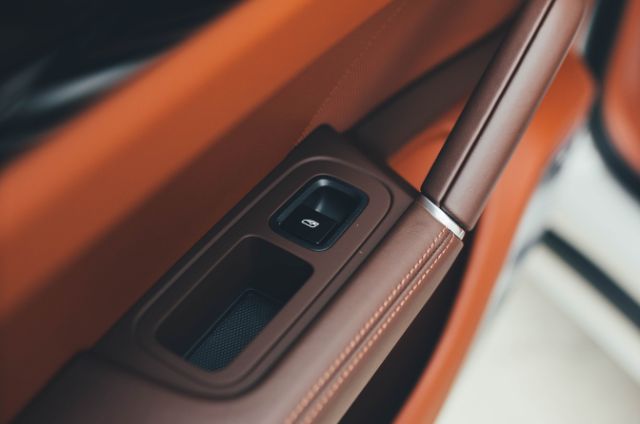
China is leading the way in electric vehicle safety with a bold new regulation. Starting January 1, 2027, all vehicles under 3.5 tons sold in the country must feature door handles that function mechanically—even when the power is out.
This change, part of the Ministry of Industry and Information Technology’s proposed safety standards, comes in response to public concerns following several high-profile accidents where doors could not be opened after power failures. The new rules aim to ensure both interior and exterior handles offer a reliable emergency release, even after collisions or system shutdowns.
The Shift from Style to Safety
Retractable or electronic-only door handles have grown popular in modern EVs, praised for their sleek look and aerodynamic benefits. However, the lack of a visible or intuitive manual override has raised questions about usability in emergency situations.
While these high-tech designs were initially seen as futuristic features, data from the China Consumers Association showed increasing reports of failures—especially in cold climates or crash scenarios. Incidents involving pinched fingers, stuck doors, and tragic delays in rescue efforts have pushed safety to the forefront of design discussions.
Industry-Wide Support and Global Impact
The public response in China has been largely supportive. Many drivers and experts see this regulation as a logical step to prioritize life-saving functionality over aesthetics. Automakers like Tesla, Xiaomi, and even traditional brands have faced scrutiny, prompting conversations about revising designs for global compliance.
Interestingly, several popular EVs already meet or closely align with the new requirements—offering flush handles with manual releases. This suggests the transition may be smoother than expected.
Engineering for Everyone
The move highlights a larger industry trend: balancing innovation with inclusivity and safety. As China continues to set high benchmarks for EV standards, other nations may soon follow. Because in the future of mobility, convenience should never come at the cost of escape.