How EV Materials Support a Circular Future
Electric vehicles continue to gain attention for how they are built and how they evolve. One topic often discussed is the materials inside EV batteries and motors. When viewed through a lifecycle lens, these materials reveal a system designed around reuse, efficiency, and long-term value rather than one-time consumption.
Materials as Long-Term Assets
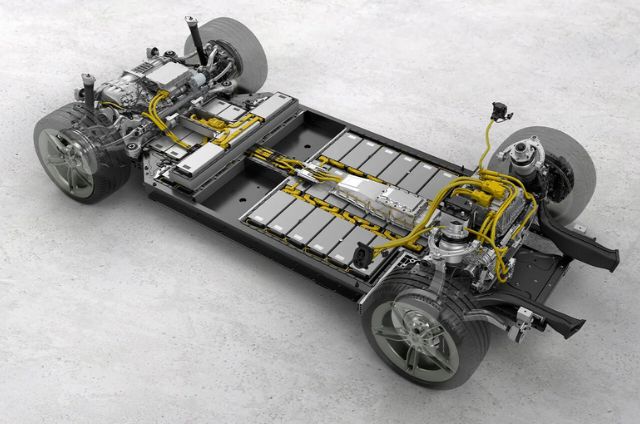
EVs rely on materials such as lithium, iron, copper, and nickel. These elements do not disappear during use. Instead, they remain intact within batteries and motors. As a result, EVs treat materials as durable assets. This approach differs fundamentally from fuels that are consumed during operation.
Built for Reuse and Recovery
Battery packs often enjoy multiple lives. After years on the road, many continue working in stationary energy storage. They support solar installations, backup power systems, and grid balancing. Later, advanced recycling processes recover a high share of those materials. This cycle keeps value in circulation and reduces the need for repeated extraction.
Rapid Advances in Battery Chemistry
Battery technology continues to move quickly. Lithium iron phosphate batteries now power a large share of new EVs. These designs avoid cobalt and nickel while offering durability and stability. In parallel, sodium-ion batteries are entering production. Because sodium is widely available, this chemistry adds even more flexibility to future supply chains.
Flexible Motor Designs
EV motors follow a similar pattern of adaptability. Some designs use permanent magnets, while others rely on induction or electrically excited systems. Each option serves a different purpose. Importantly, manufacturers can choose solutions that fit performance goals and material availability. This flexibility strengthens resilience across the industry.
Efficiency Across the Entire Lifecycle
From manufacturing to daily use, EVs focus on efficiency. Materials remain useful long after a single vehicle reaches the end of its service life. Meanwhile, recycling technologies continue to improve. Each generation recovers more material with less energy, reinforcing the circular model.
A System Designed to Evolve
EV development does not stand still. Engineers refine chemistries, reduce material intensity, and improve recovery rates year after year. As adoption grows, these improvements scale quickly. The result is a transportation system that learns, adapts, and becomes more resource-efficient over time.
Looking at the Bigger Picture
Rather than viewing EV materials as finite inputs, it helps to see them as participants in a long loop of use, reuse, and renewal. That perspective highlights how electric mobility aligns with modern manufacturing and long-term sustainability goals.