Volkswagen is making a clear statement with its next electric car. Touch-only controls are no longer the future. With the new Volkswagen ID. Polo, physical buttons return to center stage—and drivers finally get what they asked for.
A Small EV With a Big Mission
Set to launch in Europe this April, the ID. Polo targets a starting price below €25,000 (around $30,000). That makes it one of Volkswagen’s most important EVs in years. The goal is simple. Deliver an affordable, Europe-built electric car that feels intuitive, competitive, and familiar.
And yes, that includes buttons.
Screens Where They Help, Buttons Where They Matter
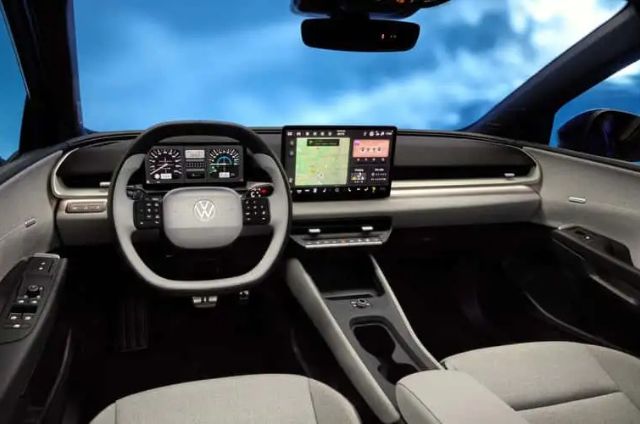
Inside, Volkswagen strikes a new balance. A 10.25-inch digital cluster sits behind the wheel. A 13-inch central touchscreen handles navigation and infotainment. However, the key change sits below the screen.
A full row of physical climate buttons now controls temperature, fan speed, and hazards. Volume and track selection also get dedicated controls. As a result, drivers no longer dig through menus for basic tasks.
Even better, the steering wheel brings back real buttons for cruise control and media. The center console follows suit. Everything falls naturally to hand.
Goodbye Touch Sliders, Hello Common Sense
Volkswagen also fixes one of its most criticized design choices. The confusing two-step window controls are gone. In their place sits a classic four-button layout. Front and rear windows now work exactly as expected.
Volkswagen openly admits it listened to feedback. This interior proves it.
Space, Comfort, and Sustainability
Built on the new MEB+ platform, the ID. Polo matches the size of the gas-powered Polo. Yet inside, it feels noticeably roomier. The electric layout frees up headroom and cargo space, making it a strong urban daily driver.
Sustainability also plays a role. Volkswagen uses recycled PET plastics throughout the cabin. Higher trims even feature Seaqual yarn, made from reclaimed ocean plastics.
Built in Europe, Designed for the Real World
Production will take place at the Martorell plant in Spain, alongside Seat and Cupra models. Battery cells will come from Volkswagen Group’s PowerCo unit.
The ID. Polo proves that electric progress doesn’t mean abandoning usability. Sometimes, moving forward means bringing the best ideas back.