The End of an Era
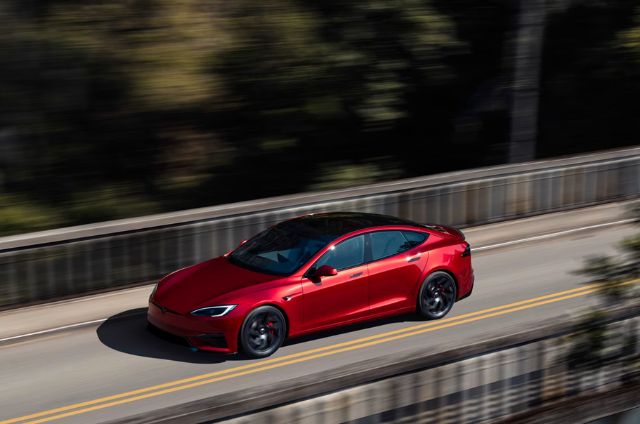
Tesla will stop producing the Model S and Model X by the end of Q2 2026. Elon Musk announced the decision during the company’s latest earnings call. These two vehicles defined Tesla’s early success. The Model S launched in 2012. The Model X followed in 2015. Together, they proved electric cars could be fast, premium, and desirable.
Sales Slowed for Years
The decline did not happen overnight. Tesla stopped reporting Model S and X sales separately in 2023. Instead, it grouped them with other low-volume models. That move hid a steady drop. Global deliveries slipped below 50,000 units last year. Fremont’s production line can build 100,000 units annually. It now runs far below that level. Clearly, demand never recovered.
A Refresh That Felt Like Goodbye
Last year, Tesla updated both models. The changes looked modest. A new paint color arrived. A front camera appeared. Range increased slightly. Ambient lighting joined the cabin. Then prices jumped by $5,000. Buyers paid nearly $90,000 for cars built on aging platforms. The update felt more symbolic than strategic. In hindsight, it looked like a farewell tour.
Why Autonomy Changed Everything
Musk pointed to autonomy as the reason for the shutdown. The Model S and X share the same driving hardware as other Teslas. Yet Tesla’s priorities shifted. The company now focuses on robotaxis and robotics. As a result, factory space matters more than legacy models. Fremont will soon build Optimus humanoid robots instead of sedans and SUVs.
What These Cars Meant
The Model S transformed Tesla from a startup into a real automaker. It delivered long range, rapid acceleration, and bold design. The Model X followed with its falcon-wing doors and early electric SUV appeal. These vehicles funded the Model 3 and Model Y. They opened the door to mass-market EVs. Their impact will last long after production ends.
What Comes Next
Tesla’s future now points toward autonomy and robots. The company will repurpose its oldest production line. Headcount will rise. Output will shift. Meanwhile, the Model 3 and Model Y dominate sales. They now represent nearly all deliveries. Tesla no longer needs low-volume flagships to survive.
A Strategic Goodbye
Ending the Model S and X closes Tesla’s first chapter. The company moves from cars to platforms. It trades heritage for automation. Whether that bet pays off remains unclear. What is clear is this: the vehicles that launched Tesla into history will soon leave the factory floor for good.