A New Bet in the Battery Race
CATL and BYD already control more than half of the global EV battery market. Now, they are making their next big move. Both companies are pushing sodium-ion batteries as a way to cut costs and reduce dependence on lithium. With new models launching in 2026, the shift is no longer theoretical. It is happening.
CATL Brings Sodium to Cars
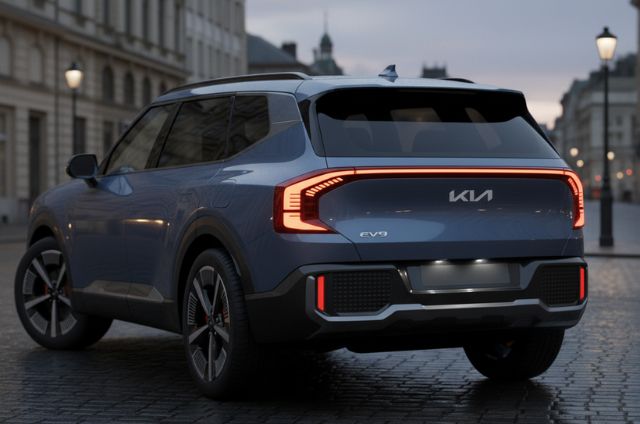
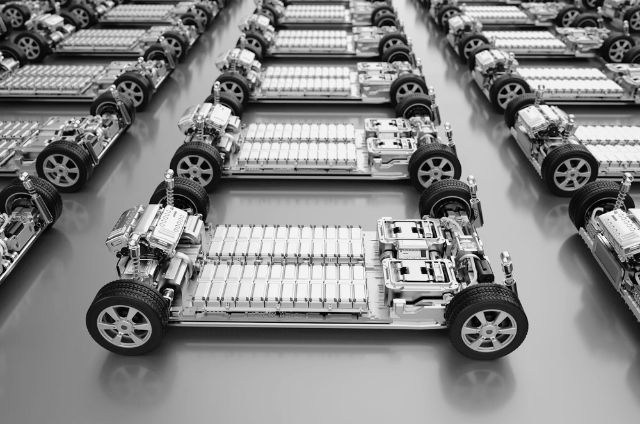
CATL revealed its sodium-ion battery, called Naxtra, last year. At first, it targeted commercial vehicles. Now, it is moving into passenger cars. The first model to use this battery will be the AION Y Plus in mid-2026. Winter testing has already begun. The 45 kWh pack supports small trucks, vans, and compact EVs. Even at –30°C, vehicles can still charge and climb hills with full loads.
Built for Cold and Speed
Sodium-ion batteries shine in harsh conditions. CATL says they retain 90% capacity at –40°C. Lithium batteries usually fall closer to 80%. They also handle ultra-fast 5C charging more safely. That means quicker stops and lower risk. CATL plans to raise sodium battery energy density to match lithium iron phosphate within three years. The company’s latest cell already reaches 175 Wh/kg, close to high-end LFP packs.
BYD and Others Join In
BYD is not waiting. It began building its first sodium-ion factory in 2024. The plant will reach 30 GWh of annual output. Other firms, including EVE Energy and Ronbay Technology, are also investing. Momentum is building fast across China’s battery industry.
Lithium Prices Drive the Shift
Lithium costs keep climbing. Earlier this year, lithium carbonate hit 170,000 yuan per ton, up from about 50,000 yuan in 2021. Sodium is far more abundant. That makes it cheaper and easier to source. By switching chemistries, battery makers protect supply chains and control costs.
A Market That’s Taking Off
Sodium-ion battery shipments reached 9 GWh last year. That figure rose 150% in one year. By 2030, analysts expect more than 1,000 GWh in annual output. Lower cost. Better cold performance. Safer fast charging. Together, these features make sodium-ion a serious rival to lithium.