A Storm-Proof Advantage
When the grid goes dark, most drivers think of candles and gas generators. EV owners think of power. Many electric cars can run fridges, lights, routers, and even furnaces during outages. This feature exists today. Yet few buyers hear about it.
How Cars Become Power Plants
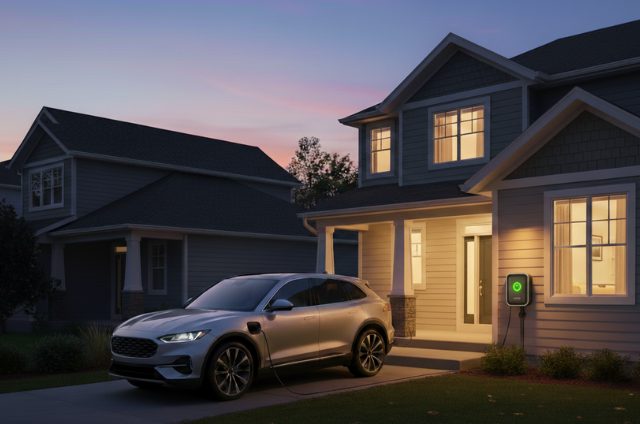
EVs with V2L send electricity through a simple adapter. Plug in a freezer. Add a lamp. Keep Wi-Fi alive. Some setups go further with a transfer switch. That feeds selected home circuits safely. Either way, the battery in your driveway becomes backup power in minutes.
Real-World Proof
Owners already rely on it. They keep food cold. They run fans and heaters. They brew coffee in silence. Many report days of steady power from one charge. And if power stays out, they drive to a working fast charger and bring energy home. That loop changes how outages feel.
Why This Beats Generators
Gas generators roar. They burn fuel. They demand maintenance. EVs stay quiet. They produce no fumes. They sit ready every night. Plus, modern EV batteries hold massive capacity. Even modest setups handle essential loads with ease. That means comfort without chaos.
Costs Can Stay Low
You don’t need a full home system to start. A V2L adapter and extension cords can cost a few hundred dollars. A transfer switch adds safety and convenience. Full bidirectional systems cost more, but they also unlock whole-home support. Buyers can choose their level.
What’s Holding It Back
Not every EV offers V2L today. Some brands limit output. Others hide the feature in premium trims. Marketing also misses the moment. Automakers talk range and speed. They rarely talk resilience. Yet storms grow stronger. Blackouts last longer. This benefit matters now.
A Feature People Will Remember
During an outage, small comforts feel big. A warm room. A cold fridge. A charged phone. EVs deliver that quietly. They also protect neighbors who need help. One car can save multiple homes from darkness.
The Takeaway
EVs already solve more than driving. They power living. With better promotion and wider support, this could become a top reason to go electric. When cars keep homes running, mobility becomes security.