The Demand Is Real, But the Segment Is Small
Minivans have passionate fans. Families love the space. Gig workers love the cargo flexibility. Dog people love the low floor and easy loading.
Still, the numbers matter. Commenters pointed out that minivans make up only a small slice of U.S. vehicle sales. In 2025, the Chrysler Pacifica, Toyota Sienna, and Honda Odyssey totaled roughly 268,000 sales out of about 16.3 million vehicles overall. That’s around 1–2% of the market. Meanwhile, pickups and SUVs dominate showrooms.
So automakers follow the biggest pools of buyers first.
EV Packaging Actually Fits Minivans Well
Here’s the twist. Minivans and EVs match nicely on paper. A flat battery pack can support a roomy cabin. The electric drivetrain can free up storage space. Plus, instant torque suits a people-hauler perfectly.
And aerodynamics do not have to be a deal-breaker. One commenter shared an example from overseas: the Li Auto Mega MPV reportedly targets an ultra-low drag coefficient. That shows a van shape can still cut through the air efficiently with the right design.
The Real Challenge: Range, Weight, and Cost
Minivan shoppers want long-trip comfort. They want easy road travel with kids, gear, and friends. That often pushes automakers toward bigger batteries to maintain strong highway range while loaded.
Bigger batteries add weight. They also raise costs. As a result, brands often launch EVs first in higher-volume categories like crossovers and SUVs, where demand is broader and pricing feels easier to justify.
“We Kind of Have Them”… Just Not With Sliding Doors
The thread also made one thing clear: Americans already buy “minivan-adjacent” EVs. People name-checked the Volkswagen ID. Buzz, Kia EV9, Hyundai Ioniq 9, Lucid Gravity, Rivian R1S, and even the Tesla Model X as close cousins.
However, many minivan loyalists want the signature features. Sliding doors. A low step-in. And family-first interior flexibility.
The Next Wave Looks Promising
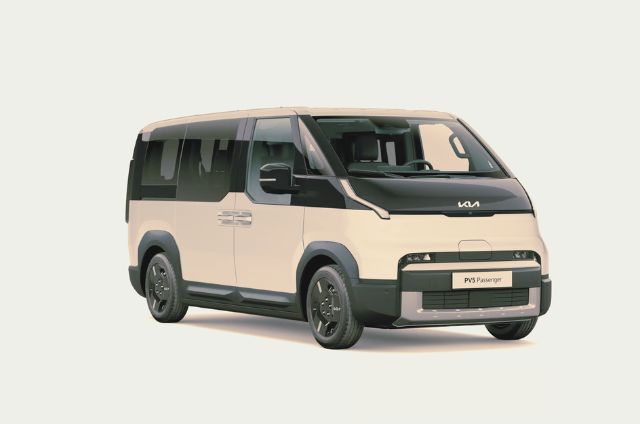
Talk keeps building around future options like Kia’s PV5 and more three-row EVs. As batteries improve and costs drop, the case for an electric minivan gets stronger.
And when it lands, it may become the ultimate family EV.