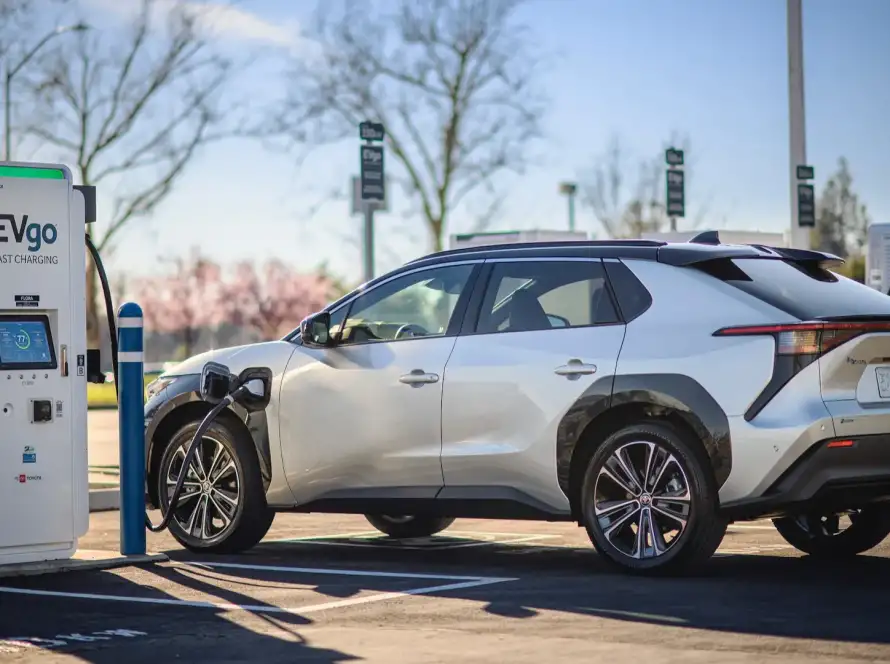
Some EVs announce themselves from a block away. Others play it cool. That’s the debate lighting up EV fans right now. Take Polestar, for example. Its designs often lean bold, clean, and unmistakably electric. Meanwhile, EVs like the Audi Q6 e-tron can pass for an ICE sibling at a glance. Beyond the closed-off “grille” area, it can look a lot like a Q5.
So which approach wins?
The Case for “Blends In”
A stealthy EV has real appeal. Many drivers want a car that feels familiar the second they walk up to it. That’s why you see comments like, “Just make a good-looking car. EV or not.” It’s also why some people ask for an electric version of classics like the Jetta, Golf, Camry, Corolla, or even a GTI.
Plus, blending in can make life simple. If an EV shares a look—or even parts—with a popular ICE model, accessories and replacements can be easier to find. It can feel like the smoothest way to switch without changing your whole vibe.
The Case for “Looks Like the Future”
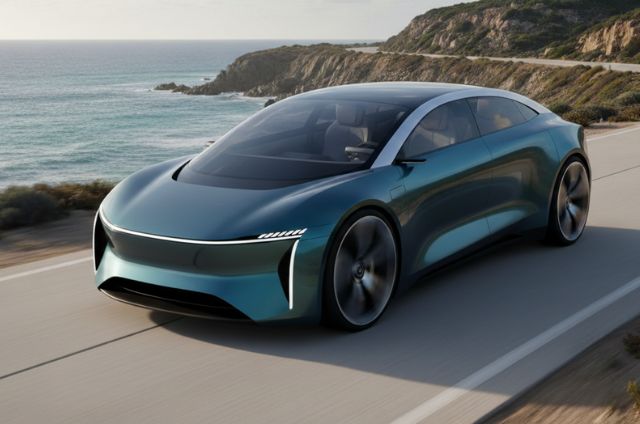
On the other hand, a unique EV look is fun. It signals that design is finally free from old packaging rules. No big engine up front. More flexible proportions. More creative cabins. That’s how you get fans of Rivian’s retro-futuristic boxiness, the Ioniq 5’s pixel-era styling, or sleek shapes built to slice through the air.
And yes, aero matters. Plenty of drivers say they want their EV to “look like miles per kWh.” Efficiency can become its own design language.
The Real Answer: More Options, Please
Here’s the best takeaway from the thread: EVs are now just cars. So let them vary. Give us stealth models for the “keep it classic” crowd. Give us standout designs for the “make it new” crowd. Either way, if it looks great, feels great, and fits your life, it’s the right EV.