Tesla launches virtual queue pilot
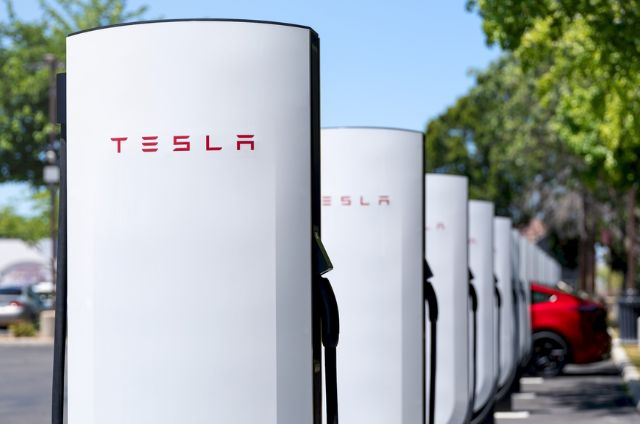
Tesla has officially started testing a virtual queue system at select Supercharger stations in the US. The feature allows drivers to join a digital waitlist through the Tesla app instead of physically lining up at crowded charging stations.
The pilot is currently active at five locations, including four in California and one in New York. Drivers can see how many vehicles are ahead of them and receive updates directly through the app while waiting for a charger to open up.
Tesla says the system uses both vehicle and phone location data to confirm that drivers are actually at the station before allowing them to join the queue.
Supercharger congestion keeps growing
The feature arrives more than a year after Tesla first promised virtual waitlists following a viral video that showed Tesla owners fighting at a packed Supercharger station. At the time, the incident highlighted how chaotic crowded charging stations could become without any organized system.
Although Tesla claims congestion only affects around 1% of charging sessions, the company now handles tens of millions of Supercharging sessions every quarter. Even a small percentage translates into massive real-world frustration for drivers, especially in high-density EV markets like California and New York.
The issue has also become more noticeable as Tesla continues opening its Supercharger network to non-Tesla EVs. More brands using the same infrastructure means busier stations and longer wait times.
The system still relies on trust
One major limitation is that Tesla’s waitlist does not appear to technically block drivers from skipping the line. The app simply warns users if they attempt to start charging before their turn arrives.
That means the system currently depends on drivers respecting the queue rather than Tesla actively enforcing it. For many owners, that could become a problem during peak congestion periods where patience is already limited.
Some competing charging networks already offer reservation-style systems with stronger enforcement, making Tesla’s approach feel more like a first step than a complete solution.
Bigger pressure on Tesla’s charging network
Tesla’s Supercharger network remains one of the company’s biggest advantages, but rising congestion could slowly damage that reputation if the user experience worsens over time.
As more automakers adopt Tesla’s charging standard and gain Supercharger access, station management tools will become increasingly important. Virtual queues could eventually become standard across the network if the pilot proves successful.
For now, Tesla is finally addressing a problem owners have complained about for years. The bigger question is whether the company will eventually enforce the queue system instead of relying on drivers to behave themselves.