A Big Step for EV Sustainability
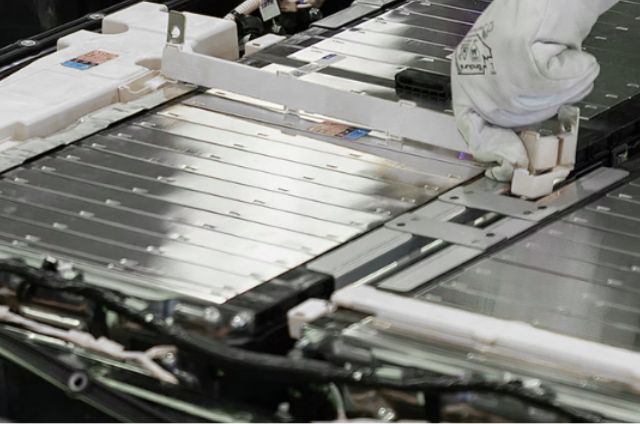
Colorado just introduced Senate Bill 26-003, officially titled “End-of-Life Management of Electric Vehicle Batteries,” and it could reshape how electric vehicle batteries are handled after retirement. The bill expands the existing Battery Stewardship Act to include propulsion batteries used in EVs and hybrids.
This makes Colorado one of the first U.S. states to propose a comprehensive end-of-life plan for EV batteries, and it’s backed by leading state lawmakers.
Automakers Will Be Held Accountable
Under SB26-003, automakers and battery producers must finance and participate in battery stewardship programs. Starting August 1, 2028, any company selling or distributing propulsion batteries in Colorado must be part of a certified organization that handles collection, reuse, and recycling.
Each program must be submitted for approval every five years starting in April 2028. Plans must include logistics, safety protocols, educational outreach, and full reporting on implementation progress.
New Rules for Safer, Cleaner Recycling
The bill requires battery labeling, safety information, and the development of a public-facing website to educate consumers and workers. It also mandates a shift toward qualified battery recyclers, avoiding outdated and polluting practices like smelting.
By July 1, 2027, Colorado’s Solid and Hazardous Waste Commission must establish a certification process for recyclers, ensuring high mineral recovery and low emissions.
Why It Matters Now
With EV adoption climbing, Colorado is preparing for a surge in battery retirements. The bill ensures batteries won’t end up dumped, burned, or mismanaged.
This is more than environmental policy—it’s a smart move toward building a circular EV economy. Other states may soon follow Colorado’s lead, but right now, all eyes are on Denver to deliver the first real model for responsible EV battery disposal in the U.S.
A Roadmap Other States Can Follow
As electric vehicles dominate more of the U.S. market, battery waste is becoming the next big environmental challenge. Colorado’s Senate Bill 26-003 doesn’t just address this early—it lays out a clear, enforceable model. With detailed timelines, producer accountability, and environmental safeguards, this bill could become the template for EV battery legislation nationwide. For states still waiting to act, Colorado just handed them the playbook.