Electric vehicles have long promised lower maintenance, and for many drivers hitting six figures on the odometer, that promise holds strong. We spoke to seasoned EV owners to find out what really happens after 100,000 miles — and the verdict is largely good news.
Low Maintenance, High Confidence
Across nearly every brand — from Tesla and Rivian to Nissan, Hyundai, and Chevy — long-term EV owners report impressively low maintenance needs. The most common recurring expenses? Tires and windshield washer fluid.
Thanks to regenerative braking, brake pads last far longer than in gas cars. Some Tesla owners have driven well past 100K miles without needing to replace them. Oil changes? Completely gone. And annual maintenance costs are often a fraction of what ICE vehicles demand.
Choosing the Right Long-Haul EV
Not all EVs are created equal when it comes to long-term durability. While maintenance is generally low across the board, some models have proven especially tough over time — breezing past 100,000 miles with minimal issues.
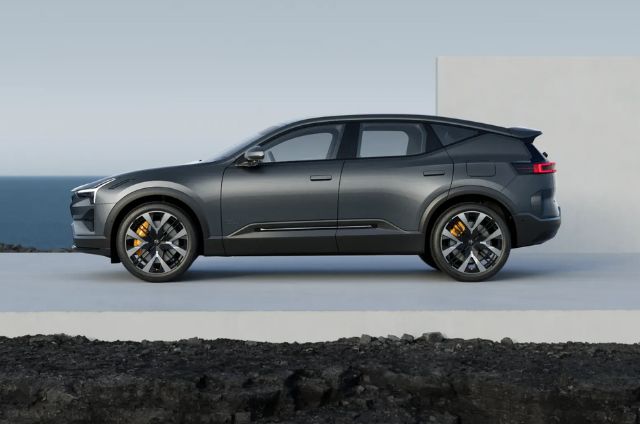
Curious which EVs go the distance? Here’s a trusted roundup of the Most Reliable EVs of 2025 and 2026
— the ones built to last, not just impress on day one.
If you’re shopping for peace of mind beyond the warranty window, these picks are a smart place to start.
Some Wear Is Still Expected
That said, EVs aren’t maintenance-free. The 12V battery, still used in many EVs for accessories and startup, typically needs replacing every 3–5 years. Suspension components like bushings or control arms may show wear around 100K miles — just like they would in most traditional vehicles.
But many owners say they’ve had fewer issues overall. One Model 3 owner summed it up: “Two tires, a 12V battery, and 120,000 miles later — it’s still going strong.”
Tech Holds Up Surprisingly Well
You’d expect the high-tech features in EVs to be a reliability concern, but many owners say their infotainment systems, battery management software, and over-the-air updates have kept things running smoothly. Even when minor bugs popped up — like a rattling trim piece or glitchy window — most were fixed quickly under warranty.
Battery and motor performance? Remarkably consistent. Some Teslas and Bolts have surpassed 150K miles with little or no degradation.
The Bottom Line
For EVs, the 100,000-mile mark isn’t a scary milestone — it’s a badge of honor. Owners consistently report fewer repairs, less hassle, and more confidence in long-term ownership. Yes, tires and suspension parts wear out, and a 12V battery might call it quits, but the big-ticket items? They’re holding strong.
If you’re wondering whether EVs go the distance, the answer is increasingly clear: they absolutely do.