A Funding Model Under Pressure
The way America pays for roads is breaking down. For decades, fuel taxes quietly funded highways and bridges. Now, that system is losing strength as more drivers switch to electric.
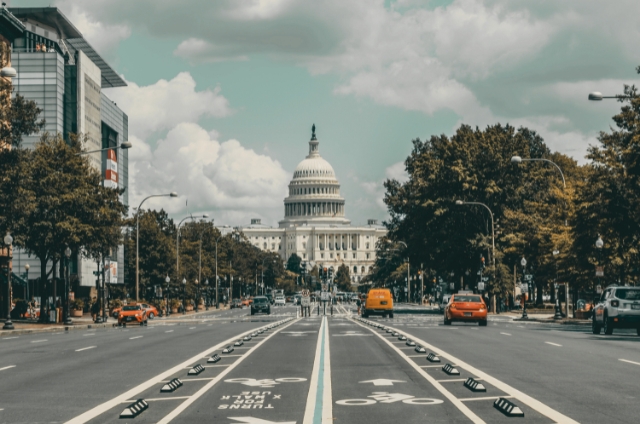
Lawmakers are stepping in. A new transportation proposal expected in early April aims to secure up to $550 billion for infrastructure. However, the bigger shift is not the size—it’s who pays. According to Reuters, policymakers are now considering direct fees on EV owners to help replace declining fuel-based revenue.
Why EVs Are Now Part of the Equation
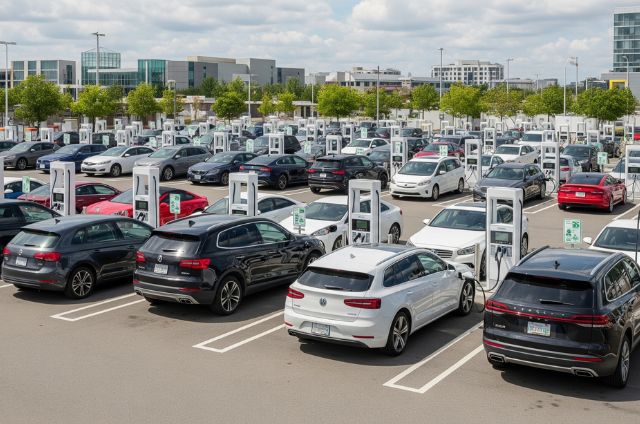
Gas-powered cars contribute every time drivers fill up. EVs don’t. That gap is growing fast as adoption rises across the U.S.
As a result, lawmakers are exploring annual ownership fees. Earlier discussions pointed to roughly $250 per EV, with lower rates for hybrids. Still, some proposals suggest significantly higher charges, signaling how urgent the funding issue has become.
Meanwhile, several states have already introduced their own EV registration fees. That trend is now moving to the national stage.
The Fairness Debate Heats Up
Not everyone agrees with the approach. The Electrification Coalition warns that flat EV fees could exceed what many gas vehicle drivers contribute today.
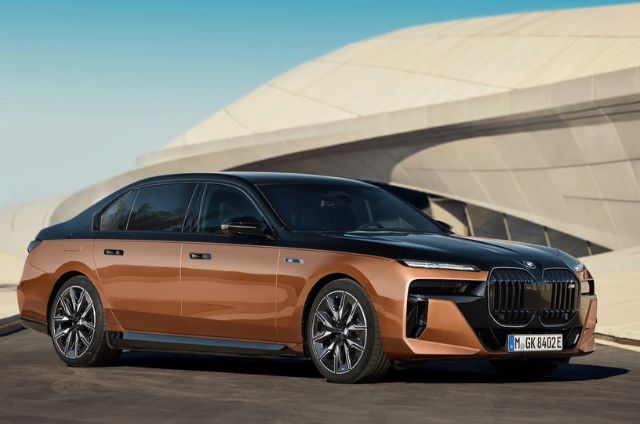
This creates a delicate balance. Automakers like Tesla, General Motors, and Rivian are accelerating EV production. At the same time, policymakers risk adding friction just as the market gains momentum.
A Bigger Structural Shift
The real issue goes beyond EVs. The U.S. has avoided raising federal fuel taxes for decades, even as infrastructure costs climbed. To keep projects running, billions have been pulled from general government funds instead.
That workaround is reaching its limits. As EV adoption grows, the gap between road usage and road funding will only widen.
What Comes Next
With a key deadline approaching later this year, pressure is building to act. Political timelines may complicate progress, yet the direction is clear.
The transition to electric vehicles is no longer just about technology or emissions—it is forcing a complete rethink of how the road system gets paid for.