←Back to the EVhype Newsletter issue
Ford’s Big Pivot: What’s In, What’s Out
Ford is making a major strategy shift. The company is cutting back on big electric trucks and going all-in on hybrids, smaller EVs, and a brand-new battery energy storage business.
This move is all about aligning with customer demand, cutting costs, and boosting profits. Here’s what’s changing.
Bye, F-150 Lightning (For Now)
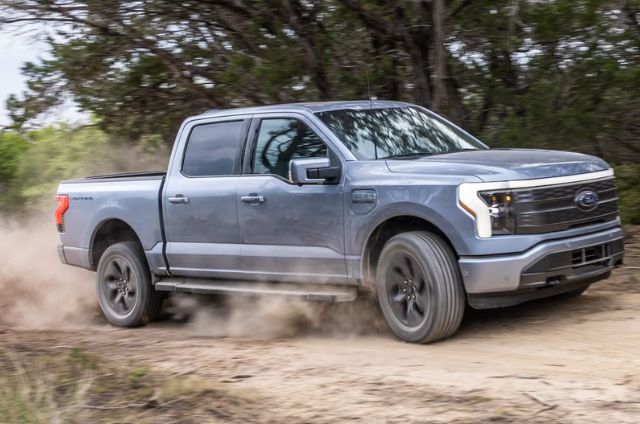
Ford has ended production of the current F-150 Lightning. It’s not gone forever, though. A next-gen Lightning is coming — built on a new extended-range EV platform, promising over 700 miles of range and still packing that legendary electric punch.
Meanwhile, Ford is shifting workers to build more gas and hybrid F-150s to meet demand. This follows production disruptions due to supply chain issues.
Hello, Hybrid Surge
Ford isn’t walking away from EVs — but it’s rebalancing. Expect 50% of Ford’s lineup to be hybrids or EVs by 2030, up from just 17% today. That includes a new Universal EV Platform designed for smaller, affordable electric models.
The first of these — a midsize electric truck — will launch in 2027.
Big Battery Energy Storage Bet
Ford is entering a whole new business: battery energy storage systems (BESS). The company will use its Kentucky and Michigan plants to produce large-scale batteries for data centers and energy grids.
They aim to produce 20 GWh annually by 2027, creating a new revenue stream while reusing underutilized EV battery capacity.
Reinvesting in the U.S.
New gas and hybrid vans are coming, built in Ohio. Affordable gas trucks will roll out from a renamed Tennessee Truck Plant. This shift will create thousands of new U.S. jobs, Ford says.
The Bottom Line
Ford expects $19.5 billion in charges tied to this strategy shift, with most hitting in late 2025. But the long-term goal is clear: profitability in Model e by 2029, with strong hybrid and truck growth leading the way.
Stay tuned — Ford is doubling down on what works. And the next phase of electrification might just be more practical than flashy.