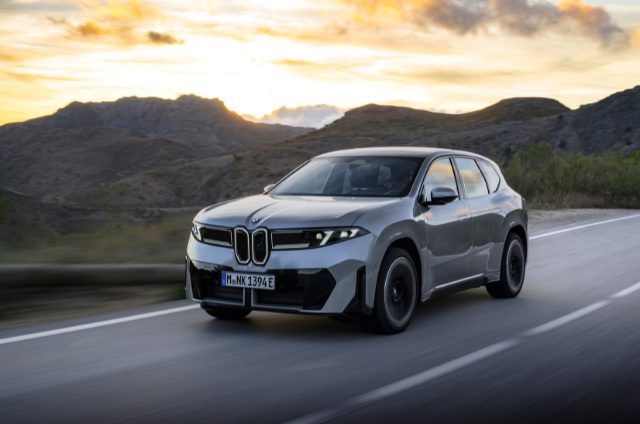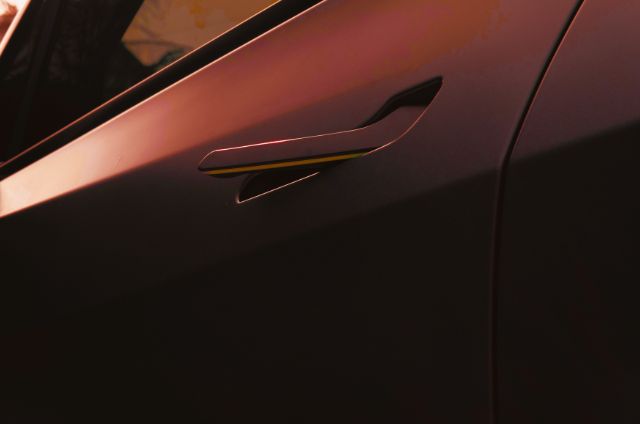
China has officially announced a ban on retractable or hidden electric door handles for electric vehicles. Starting January 1, 2027, all new EVs sold in the country must have mechanical door releases—inside and out.
This move directly targets the sleek, flush designs made popular by Tesla, which are now common across Chinese and global EV brands.
Safety First, Design Second
The decision comes after a string of emergency incidents involving electronically operated handles. In several cases, occupants were unable to escape vehicles after crashes because the handles failed or remained sealed.
A tragic example was the Xiaomi SU7 Ultra crash in Chengdu, where the driver was reportedly trapped after impact when the electronic release malfunctioned. The vehicle caught fire, and the incident sparked national outcry.
According to China Daily, more than 60% of top-selling EVs in China last year featured these types of hidden handles.
The Global Impact: Tesla Feels the Pressure
China’s decision may push other markets to reconsider their stance. Tesla’s door handle design is already under investigation in the U.S. for similar safety concerns.
A Bloomberg report in 2025 revealed over 140 complaints since 2018 about Tesla doors failing to open. Tesla has since begun redesigning its handles to combine electronic and manual releases, but regulatory changes could accelerate that shift.
Style Isn’t Worth Lives
What once seemed like futuristic design is now being reexamined through the lens of survivability. China isn’t just banning a trend—it’s signaling that in the EV era, form can’t come before function.
Could This Trigger a Global Shift?
China is the world’s largest EV market—and when it makes a regulatory move, the rest of the industry tends to follow. Automakers with global ambitions may now rethink their approach to form-over-function design.
Flush-mounted handles have been celebrated as futuristic and aerodynamic, but if safety regulators in Europe or North America follow China’s lead, we could see a return to physical fail-safes across the board. Manufacturers may need to balance aesthetics with life-saving practicality, especially as EVs become the global norm.
For now, China is setting the tone: in the next phase of EV evolution, slick isn’t enough—safe has to come standard.