Startup Doubles Down After CES Shockwave
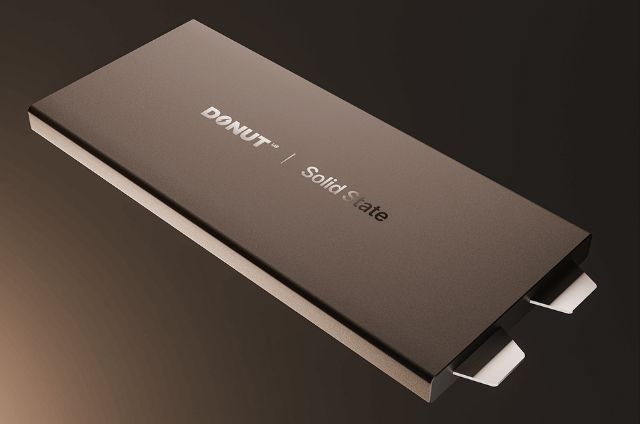
Donut Lab is not backing down. After shaking CES with claims of a production-ready solid-state EV battery, the Finnish startup now says proof is coming next week. Skepticism has grown across the industry. However, the company insists its technology is real.
CEO Marko Lehtimaki announced that independent test results will roll out starting February 23. The data will appear in a video series and on a dedicated website called idonutbelieve.com. The goal is simple. Show measurable evidence. Silence critics.
Independent Testing, Bold Performance Claims
According to Donut Lab, Finland’s state-owned VTT Technical Research Centre tested the battery independently.
If confirmed, the numbers are staggering. The company claims 400 Wh/kg energy density. That’s well above today’s typical lithium-ion packs, which range between 200–300 Wh/kg.
Charging could take under 10 minutes. Cycle life could reach 100,000 cycles. For comparison, most lithium-ion batteries last 1,500–3,000 cycles.
Additionally, Donut says the battery works between -30°C and 100°C. It also claims production avoids toxic or rare earth materials.
Industry Pushback Intensifies
Despite the promises, experts remain cautious.
For years, major manufacturers have pursued solid-state batteries. Most agree the technology remains several years away from large-scale production.
At CES, Donut Lab presented no live demonstrations, patents, or published research. As a result, established battery makers publicly dismissed the claims. Some even called it impossible.
Lehtimaki argues incumbents resist disruption. He says skepticism has made fundraising harder. Therefore, the company decided to release verified data to the public.
Production Plans Already Underway
Donut Lab previously stated that its battery will power a Verge Motorcycles production model in the first quarter of this year. Verge confirmed production remains on track. However, limited early output means new orders may arrive later this year or even next year.
If Donut Lab delivers credible proof, the battery industry could face serious disruption.
Now, the spotlight turns to the data.