A Major Step Toward Next-Gen Batteries
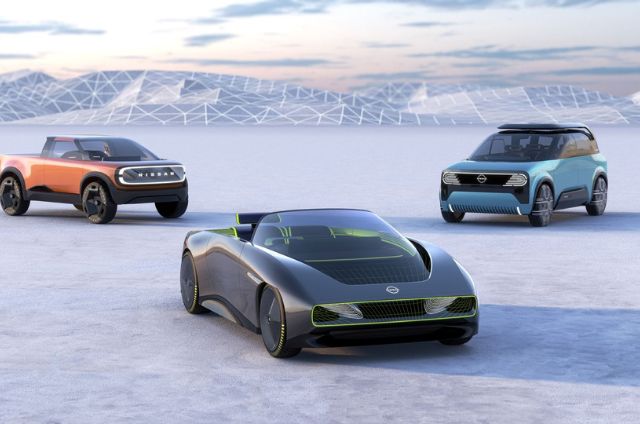
Nissan says it’s on track to launch its first electric vehicles powered by solid-state batteries by 2028, marking a key milestone in the race to develop next-generation EV technology.
During a recent technical briefing, the company revealed it has successfully built a prototype battery pack with 23 stacked layers—enough to meet real-world vehicle requirements. Nissan also confirmed the prototype has passed key charge and discharge tests, showing real progress beyond lab experiments.
Why Solid-State Batteries Matter
Solid-state batteries are often called the “holy grail” of EV tech because they promise major improvements over today’s lithium-ion batteries. They can potentially offer:
- Much longer driving range
- Faster charging times
- Better safety and durability
Reports suggest Nissan’s future EVs using this technology could exceed 600 miles of range, making long-distance electric driving far more practical.
Production Plans Already Underway
Nissan isn’t just testing ideas—it’s preparing for production. The company opened a pilot production line in Yokohama in 2025 and is working with LiCAP Technologies to scale manufacturing.
LiCAP’s dry electrode process removes the need for traditional drying and solvents, which could lower costs and improve efficiency when mass production begins.
Competition Is Heating Up
Nissan is not alone in the race. Automakers like Toyota, Volkswagen, and Mercedes-Benz are also pushing forward with solid-state battery development.
Some companies are already testing prototypes, while others are working toward commercialization as early as 2027.
The Bigger Picture
While ultra-long range grabs attention, the real focus is shifting toward safety, cost, and durability. Solid-state batteries could unlock all three, but they’re only part of a broader shift that includes new chemistries like sodium-ion and LFP.
If Nissan hits its 2028 target, it could be one of the first to bring truly next-generation battery tech into mass-market EVs.