The Auto Comeback No One Saw Coming
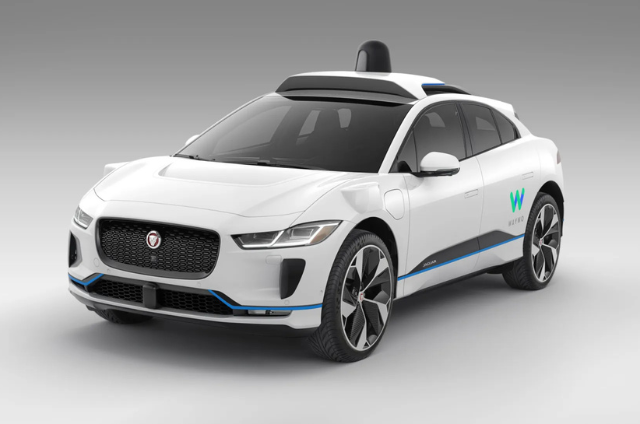
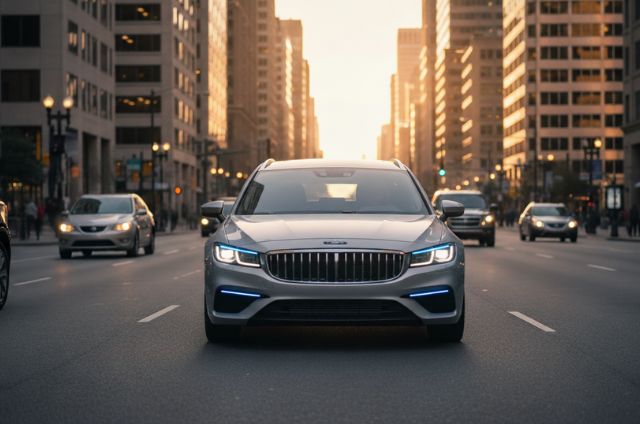
Just a few years ago, autonomous driving seemed stuck in neutral. Automakers pulled back, shifting focus to electric vehicles. But now, thanks to AI, self-driving tech is back—and accelerating fast.
At CES 2026, industry leaders made it clear: AI is pushing automated driving forward. Automakers are again investing in higher-level ADAS and autonomy, seeing it as the next big market grab.
Why the Shift?
Battery-electric vehicles haven’t grown as fast as expected in key markets. Costs remain high, and many consumers still hesitate. Meanwhile, interest in semi-autonomous features has surged. In the U.S., 43% of buyers now say hands-off highway driving is their top priority in a new car—a huge jump from last year.
Add to that: a McKinsey study shows two-thirds of buyers would pay $10,000 more for true hands-off, eyes-off driving.
AI Changed the Game
What’s different this time? AI—especially visual language models. Companies like Mobileye, TomTom, and Qualcomm are using real-world and simulated data to train systems faster than ever. “You no longer program the software, you train the software,” said NVIDIA CEO Jensen Huang.
This leap in intelligence lets systems “see” and react more like humans, using fewer sensors and delivering better performance at lower costs.
From Luxury to Mainstream
Level 2-plus tech is starting to trickle down. Ford, GM, and Chinese automakers are integrating cost-effective systems into mid-range models. Mobileye’s Surround ADAS is rolling out to millions of vehicles, with 40% cost reductions targeted by 2028.
Qualcomm’s Ride Flex system combines infotainment and ADAS on a single chip—perfect for affordable vehicles.
A Decade of Autonomy Ahead
After years of slow progress, the pieces are finally coming together. AI, data, and consumer demand have reignited the race. And this time, it’s not just hype—it’s happening.
As NVIDIA’s Huang puts it: “In the next 10 years, a large percentage of cars will be autonomous, or highly autonomous.”