Model Y first under new safety benchmark
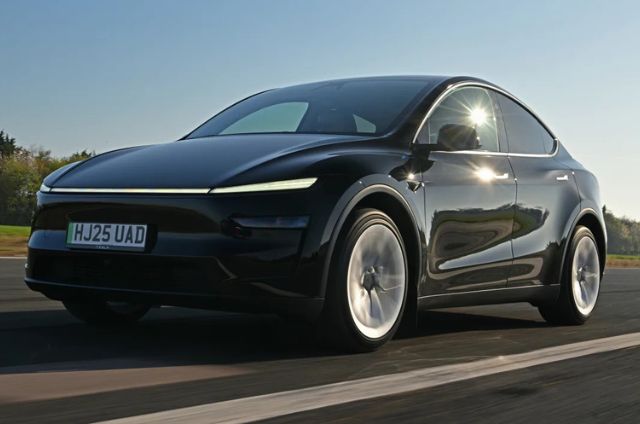
The 2026 Tesla Model Y is the first vehicle to pass the National Highway Traffic Safety Administration’s updated advanced driver assistance system (ADAS) evaluations under its New Car Assessment Program. The agency confirmed the vehicle passed all eight required safety categories, marking a formal milestone for Tesla and its driver assistance suite.
NHTSA described the result as evidence of “lifesaving potential” and suggested it sets a benchmark for the industry moving forward.
What the tests actually measure
The updated program includes four new ADAS checks: pedestrian automatic emergency braking, lane keeping assistance, blind spot warning, and blind spot intervention. The Model Y passed all of them, along with four existing categories including forward collision warning, crash imminent braking, dynamic brake support, and lane departure warning.
However, these systems are not unique to Tesla. Most modern vehicles from manufacturers like Toyota, Hyundai, Honda, and BMW already include similar features as standard or optional equipment. The distinction here is that the Model Y is simply the first to complete this specific updated NHTSA evaluation, not the only vehicle capable of passing it.
Regulatory timing shapes the outcome
The broader context is that NHTSA’s updated ADAS testing framework, finalized for 2026 model-year vehicles, was delayed until 2027 after industry pushback. That delay means most automakers have not yet submitted vehicles for evaluation under the new structure.
Tesla, however, did submit the Model Y early and completed testing ahead of competitors. As a result, it currently stands alone in this specific dataset, even though comparable systems already exist across the industry.
ADAS success vs. FSD concerns
The announcement comes at a complicated time for Tesla’s driver assistance reputation. While the Model Y passed these baseline ADAS checks, NHTSA is simultaneously investigating Tesla’s Full Self-Driving system in an Engineering Analysis covering roughly 3.2 million vehicles.
That investigation focuses on reports that FSD may fail to properly detect or respond to certain visibility conditions, including sun glare and fog, and may not adequately alert drivers before collisions. NHTSA has also reviewed crash data reporting concerns tied to the system.
This creates a split narrative: Tesla’s basic safety systems are performing well in standardized tests, while its more advanced autonomous features remain under regulatory scrutiny.
Bigger picture
ADAS features like automatic braking and lane assistance are now considered baseline safety technology across the automotive industry. The Model Y passing NHTSA’s updated framework confirms Tesla’s systems meet those expectations.
However, the value of the announcement depends heavily on context. The tests measure foundational driver assistance—not full autonomy or advanced self-driving capability—and most competitors are expected to meet the same standard once they are evaluated under the updated program.