Tesla finally reveals hidden crash narratives
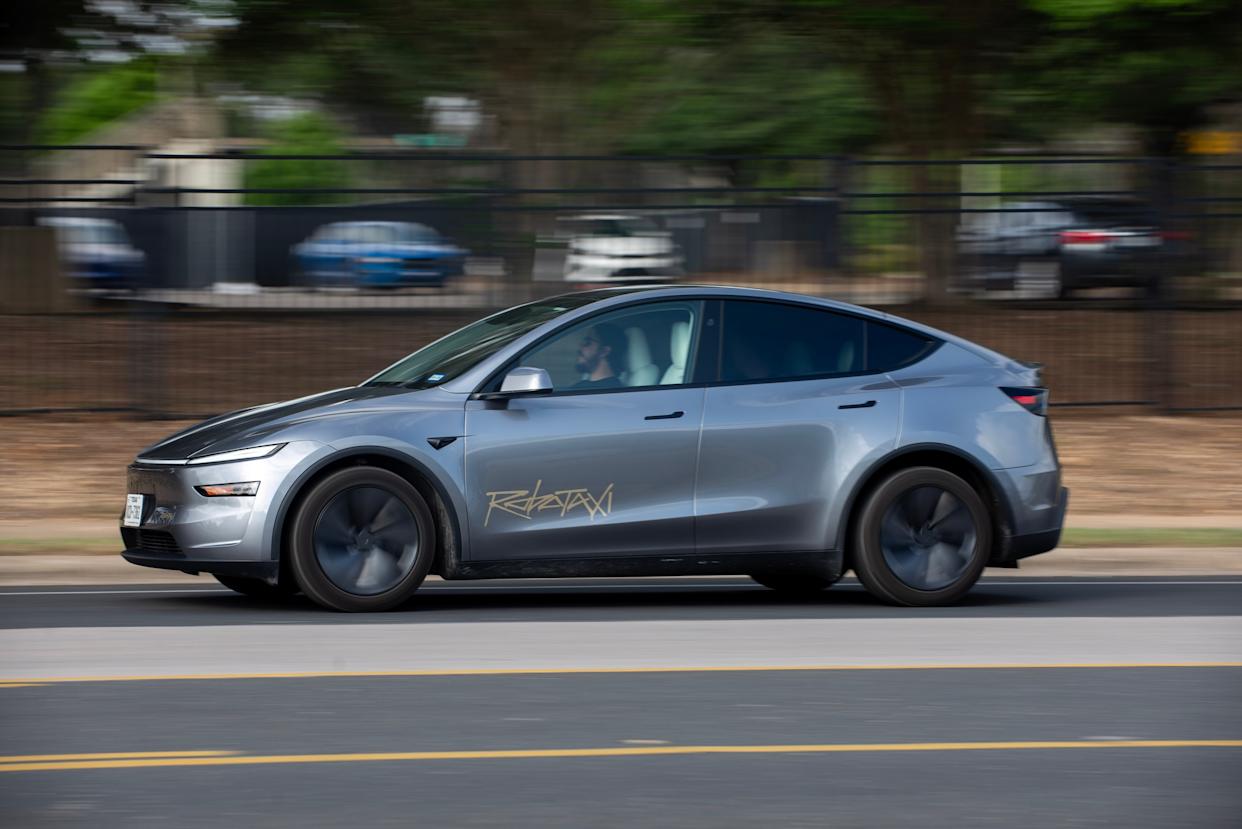
Tesla has officially unredacted all 17 of its autonomous driving crash reports filed with the NHTSA, revealing what actually happened during incidents involving its Robotaxi testing program in Austin, Texas. For nearly a year, Tesla had been the only autonomous driving company to completely hide its crash narratives while competitors like Waymo and Zoox publicly disclosed detailed reports.
The newly released data shows that many crashes were not directly caused by Tesla’s autonomous driving system. Several incidents involved human drivers rear-ending stopped Tesla vehicles at intersections, stop signs, or traffic lights. Similar patterns have also appeared in crash data from other autonomous vehicle companies, where human drivers fail to react properly around cautious self-driving systems.
Most incidents were minor but some raised concerns
Out of the 17 reported crashes, the majority resulted only in property damage, while just one incident involved a minor injury requiring hospitalization. Some cases were relatively unusual, including a dog running into the road, a pedicab clipping a mirror, and a city bus sideswiping a stopped Tesla while turning.
However, several incidents highlighted weaknesses in Tesla’s autonomous system. In one case, the system drove into a metal chain while entering a parking lot. Other crashes involved hitting curbs, poles, trailer hitches, and construction barriers, particularly while reversing or navigating tight spaces. These incidents suggest the system still struggles with certain edge-case obstacles and low-speed maneuvering situations.
Teleoperator crashes become a major issue
One of the most surprising revelations involved Tesla’s remote teleoperators. In two separate incidents, human teleoperators took over control after the autonomous system became stuck or required navigational assistance, only to crash the vehicles themselves shortly afterward.
One teleoperator drove a Tesla over a curb and into a metal fence at 8 mph, while another crashed directly into a construction barricade at 9 mph. These cases have raised concerns about Tesla’s remote support system, especially as the company plans to eventually operate Robotaxis without onboard safety monitors.
Transparency changes the narrative
The release of the crash details has significantly changed the public perception surrounding Tesla’s Robotaxi safety data. Previously, the lack of transparency allowed critics and supporters to speculate freely about the severity and causes of the crashes, while Tesla argued that releasing the information could harm the company financially.
Although the reports show that many incidents were relatively minor and not Tesla’s fault, the data also exposes real limitations with spatial awareness and low-speed navigation. As Tesla continues expanding its Robotaxi ambitions, these edge-case failures may become increasingly important as regulators and the public closely monitor the company’s autonomous driving progress.