A New Robotaxi Alliance Takes Shape
Uber and Rivian are joining forces to bring autonomous ride-hailing to scale. The two companies plan to deploy up to 50,000 fully self-driving vehicles over the next several years. This marks one of the most ambitious robotaxi partnerships announced so far.
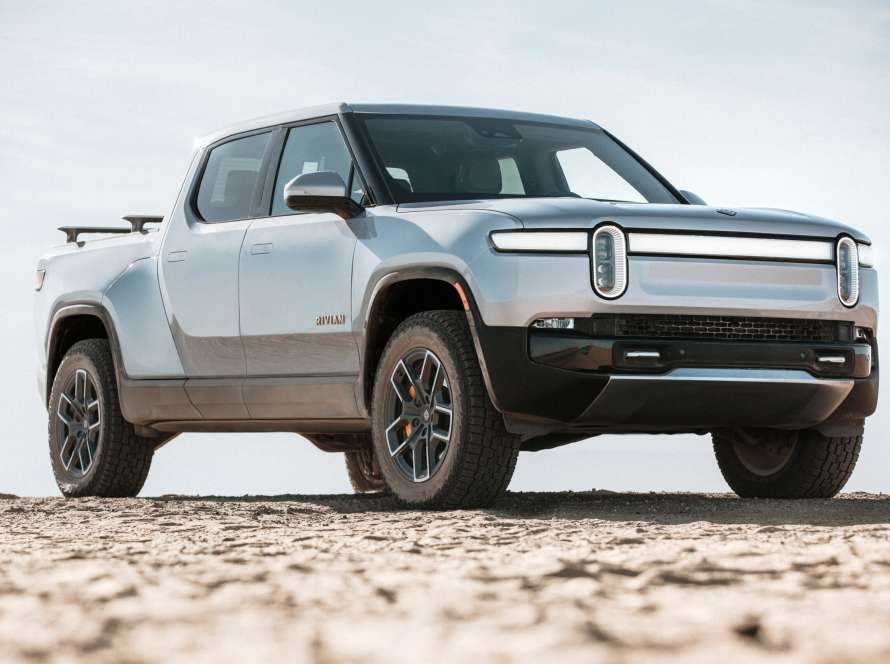
The vehicles will be based on Rivian’s upcoming R2 platform and will operate exclusively through Uber’s network.
Big Investment, Bigger Ambition
Uber is backing the plan with serious capital. The company could invest up to $1.25 billion in Rivian by 2031. However, funding depends on hitting key autonomy milestones along the way.
To start, Uber and its partners expect to purchase 10,000 robotaxis. Later, they may scale that number significantly, with an option to add tens of thousands more.
Launch Timeline and Expansion Plans
The first deployments are targeted for San Francisco and Miami in 2028. After that, expansion will move quickly.
By 2031, the companies aim to operate autonomous fleets in up to 25 cities across the US, Canada, and Europe. If successful, this rollout could reshape how urban mobility works.
The Tech Behind the Vision
Rivian’s next-generation autonomy platform plays a central role. The system combines cameras, radar, and LiDAR to create a detailed view of the environment.
In addition, Rivian uses its own high-performance computing chips to process data in real time. This setup allows continuous learning from real-world driving, improving performance over time.
Why This Partnership Matters
This deal goes beyond vehicles. It combines Rivian’s hardware and software with Uber’s global ride-hailing infrastructure.
As a result, both companies gain an advantage. Rivian accelerates its path to autonomy, while Uber secures access to a dedicated fleet built specifically for its platform.
The Bigger Picture
Robotaxis remain one of the most competitive spaces in mobility. Many players are racing toward fully autonomous fleets, but scaling remains the biggest challenge.
Uber and Rivian are betting that combining forces will speed things up.
If they succeed, the way people move in cities could look very different by the end of the decade.