Massive OTA recall across the entire fleet
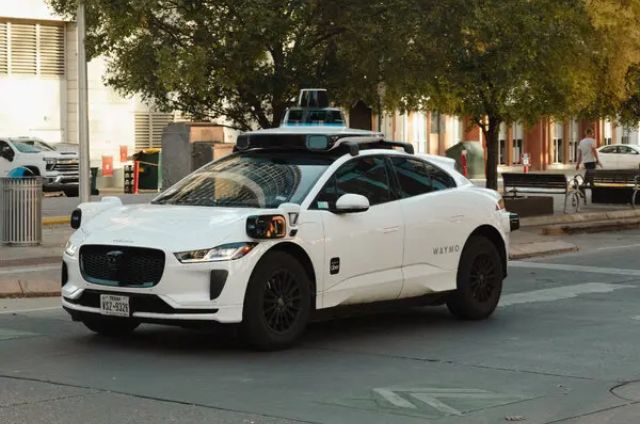
Waymo has issued a voluntary recall covering 3,791 robotaxis after one of its vehicles drove into a flooded road in San Antonio, Texas. The key point is that no one was injured, but the vehicle ended up being swept into a creek after entering an untraversable flooded section of roadway. This triggered a safety review and a formal filing with NHTSA.
The recall affects Waymo vehicles across all operating cities and both its fifth- and sixth-generation autonomous driving systems. Importantly, the issue is not hardware-related — it’s entirely software-based, meaning every affected vehicle will be fixed remotely without needing physical service.
What actually went wrong
According to the NHTSA filing, the incident occurred on April 20 when an unoccupied Waymo robotaxi encountered a flooded roadway in San Antonio. Instead of rerouting or fully stopping, the vehicle proceeded into the water at reduced speed, ultimately getting carried into Salado Creek. A second similar flood-related incident had already happened nearby weeks earlier.
After the incident, Waymo temporarily paused operations in San Antonio to investigate and improve its flood-handling behavior. The company later confirmed that it identified weaknesses in how its system detects “untraversable” water conditions, especially on higher-speed roads.
OTA fix and fleet-wide software response
Waymo is handling the issue through an over-the-air software update, meaning the entire fleet will receive the fix automatically. This is one of the clearest examples of how autonomous vehicle recalls differ from traditional automotive recalls — no dealership visits, no downtime for owners, and near-instant deployment across the fleet.
The update focuses on improving extreme weather detection, tightening operational boundaries in flood-prone areas, and refining map-based restrictions during heavy rainfall. Waymo has also already applied interim safety constraints while the final software patch is completed and rolled out.
Fleet growth, safety model, and industry context
Beyond the incident itself, the recall accidentally revealed Waymo’s rapid fleet expansion. With 3,791 vehicles now affected, the company has nearly doubled its robotaxi fleet in under a year, supported by major funding and expanding ride operations across multiple U.S. cities.
While the flooded-road failure highlights a real edge case challenge for autonomous systems, Waymo’s response is being viewed as a strong example of iterative safety development: identify issue, pause operations, fix software, redeploy fleet. The incident reinforces both the progress and the remaining limitations of self-driving systems in unpredictable real-world weather conditions.