A New Role for Electric Vehicles
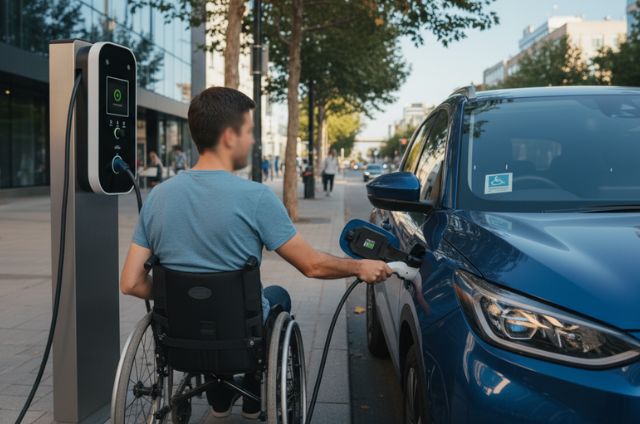
Electric vehicles already transform how people move. Now, a new UK initiative is testing how they could also protect lives during power cuts. The project, called Power Wheels, explores whether EV batteries can temporarily support homes when electricity fails—especially for disabled and medically dependent households.
The focus sits firmly on resilience. Instead of seeing EVs only as transport, the project treats them as mobile energy assets that can step in during disruption.
Putting Disabled Households First
Motability Operations is helping deliver the project in the North East of England. Through the Motability Scheme, the organisation supports thousands of disabled people who rely on electricity for daily independence. Many use powered medical equipment, mobility aids, or assistive technologies that cannot simply switch off.
For these households, a power cut can quickly become a health risk. That reality shaped the project from the start.
How EV Batteries Could Help
At the centre of Power Wheels is bidirectional charging. This technology allows energy to flow from an EV back into a home. During an outage, the vehicle could supply short-term power to keep essential devices running and provide reassurance until normal service returns.
Early work focused on practicality. Researchers and partners spoke directly with disabled EV users to understand what would make such systems usable in real life. Clear controls mattered. Simple explanations mattered. Knowing when the car needed recharging mattered too.
Designing for Accessibility and Confidence
Feedback from participants highlighted one key theme: simplicity builds trust. Accessible interfaces, easy-to-read guidance, and safeguards to protect driving range all ranked high. The goal is not complexity, but confidence—especially during stressful moments.
By listening first, the project aims to design energy solutions around real needs rather than assumptions.
Moving From Ideas to Testing
The next phase brings hands-on collaboration. Thirty Motability Scheme customers with different disabilities and requirements will take part in workshops. Together, they will help shape practical solutions that can move toward live testing.
Lessons from Power Wheels will not stop in one region. The findings aim to guide how similar approaches could roll out responsibly across the UK, with accessibility embedded from the start.
A Broader Shift in Thinking
As EV adoption grows, their potential expands. Projects like this show how vehicles could support independence, safety, and resilience—especially when communities need it most.