A Cold-Weather Gauntlet Like No Other
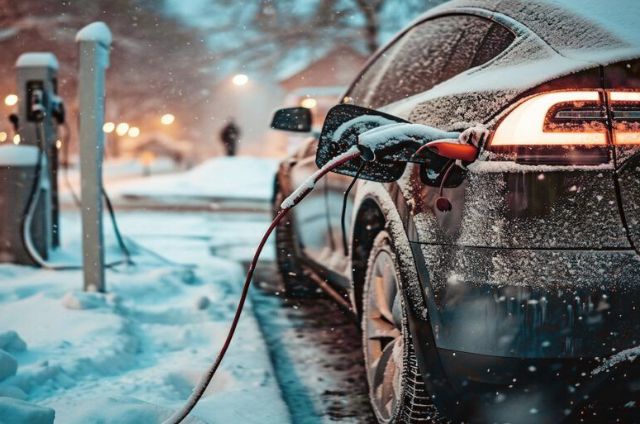
In the remote snowscapes of Inner Mongolia, electric vehicles were pushed to their limits in a winter test unlike anything before. Organized by Autohome, China’s leading automotive media outlet, this large-scale field experiment took dozens of EVs and hybrids into real-world sub-zero conditions—with temperatures dropping as low as –22°F.
This wasn’t a lab simulation. It was a rugged challenge over icy terrain, where cabin heaters were on full blast and EV batteries had to work harder just to stay warm. Over 100 experts evaluated performance in range, energy efficiency, drivability, and cold-weather resilience.
Chilling Reality: Range Takes a Hit
Extreme cold is no friend to lithium-ion batteries. In every vehicle tested, driving range dropped significantly—often by more than half. That’s due to the physics of battery chemistry in freezing temperatures, where more energy is used just to maintain battery health and interior heat.
Still, some vehicles proved remarkably efficient. The Xpeng P7 topped the charts, retaining over 53% of its rated range. Just behind it, the Tesla Model 3 held strong with about 48%, marking one of the best performances by a non-Chinese model.
Model 3 Stands Out, Others Struggle
While Tesla’s Model Y variants landed in the mid-rankings, the Model 3 impressed with both its range retention and energy efficiency per kilometer. Compact Chinese EVs like the BYD Seagull also performed exceptionally well in efficiency metrics.
Luxury wasn’t a guarantee of performance. Surprisingly, the latest Mercedes-Benz CLA managed just 37% of its expected range, showing that sleek design doesn’t always equal cold-weather readiness.
Why This Test Matters
This massive winter evaluation sends a clear signal: not all EVs are equally prepared for extreme climates. From affordable compacts to premium sedans, only a few proved they could deliver consistent performance when it truly counts.