EV charging doesn’t work exactly like fueling a gas car. Instead, many stations use apps to handle payment, start sessions, and share helpful information. That approach may feel new, yet it serves clear purposes. More importantly, the experience continues to improve as charging networks mature.
Apps add clarity and convenience
Charging apps give drivers useful context before they plug in. You can see prices, check availability, and confirm charger speed. You also get live updates during a session. Alerts notify you when charging finishes or when idle time begins. Because drivers often step away while charging, these features help keep things smooth.
Apps help networks stay reliable
Public chargers live outdoors and run constantly. Adding physical payment hardware increases cost and maintenance. Apps reduce hardware complexity and lower failure points. As a result, networks can focus on uptime and faster repairs. That tradeoff often leads to more reliable stations overall.
Apps streamline payments
Charging sessions vary by time and energy use. Apps handle this flexibility well. They simplify billing, manage longer sessions, and reduce transaction overhead. Many networks also offer optional memberships or discounts through apps, which can lower costs for frequent users.
Apps unlock modern features
Beyond payment, apps support features drivers value. These include reservations, plug-and-charge activation, idle-fee management, and customer support. Apps also help networks roll out software updates quickly, improving performance without hardware changes.
Progress on simple payment options
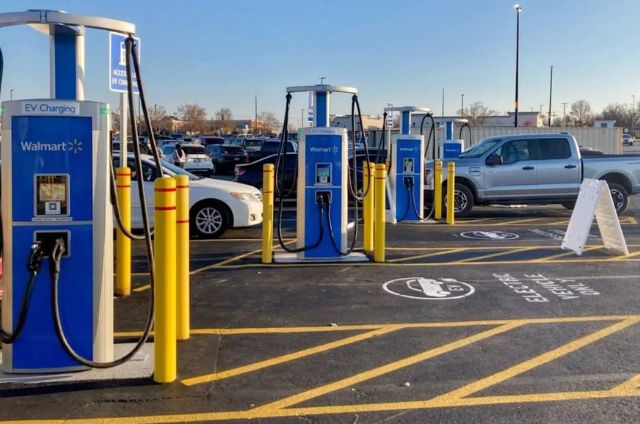
Charging networks recognize that flexibility matters. Many now add tap-to-pay, QR checkout, or mobile web payment as alternatives. In the U.S., federally funded fast-charging stations must accept direct card payments. In Europe, regulations already push higher-power chargers toward card access. These steps bring charging closer to a familiar “tap and go” experience.
The road ahead
Apps remain useful tools, especially for regular drivers. At the same time, the industry continues to expand payment choices for travelers and first-time users. Each update reduces friction and builds confidence.
EV charging is infrastructure in motion. And with every improvement, it becomes simpler, faster, and more welcoming for everyone.