Ford is starting over
After years of adapting gas-era vehicles, the automaker is building its first true ground-up electric truck. It’s due in 2027 as a 2028 model. The target price? Around $30,000. That alone makes people look twice.
This midsize electric pickup will launch on Ford’s new Universal Electric Vehicle (UEV) platform. It won’t share parts with combustion vehicles. Instead, it resets how Ford designs EVs from the ground up.
A Skunkworks Team With One Mission
Ford assembled a special team for this project. Many came from Tesla, EV startups, and Formula 1. Their goal was simple but brutal. Build EVs that people can afford. And still make money.
To do that, they chased efficiency everywhere. Less drag. Less weight. Fewer parts. Every decision had to justify itself. So the team built a “bounty system.” Each engineering change showed its impact on cost and range in real numbers.
That system now influences other Ford programs.
Batteries, Architecture, and Control
Batteries still make up 30–40% of an EV’s cost. So Ford focused there first. The truck will use lithium iron phosphate (LFP) cells, which cost 20–30% less per kWh than nickel-based chemistries. The UEV platform can also support other battery types later.
Next came electronics. Ford replaced dozens of computers with just five in-house processors. It also introduced a 48-volt electrical system, which cuts heat, weight, and copper use.
Ford also brought energy management fully in-house. A compact unit called the E-box combines power electronics, charging control, and bidirectional capability. That means the truck can power tools, devices, or even a home.
Designed to Cheat the Wind
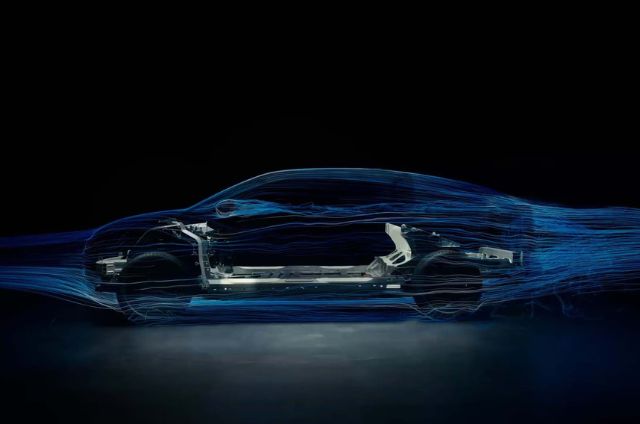
Aerodynamics became an obsession. Even a 1-millimeter roof change showed measurable cost and range impacts.
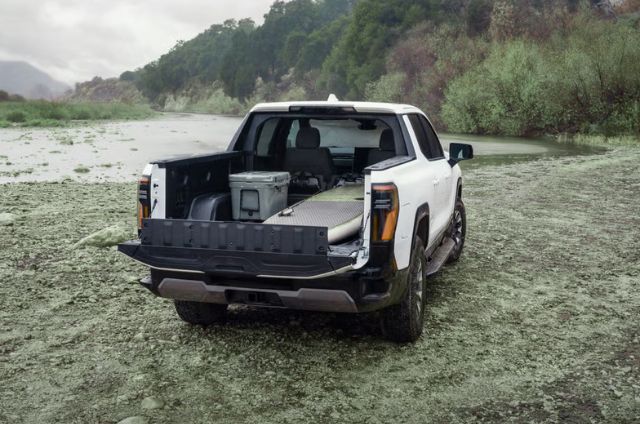
Ford reshaped the roof and bed airflow to reduce turbulence. The result is over 15% less drag than any pickup on sale today. Engineers tested thousands of 3D-printed parts in wind tunnels early, not late.
“To the air, it’s no longer a truck,” one engineer said.
Fewer Parts, More Space
Ford eliminated complexity everywhere. Large single-piece castings replace dozens of smaller parts. The battery pack now acts as a structural element. Wiring shrank by 4,000 feet and lost 22 pounds.
The payoff is big. Ford claims nearly 50 extra miles of range from the same battery versus today’s best midsize pickups. Interior space will also beat a Toyota RAV4.
Specs are coming soon. So is the proof. Now Ford has to deliver.