A Global Forum Meets Real Traffic
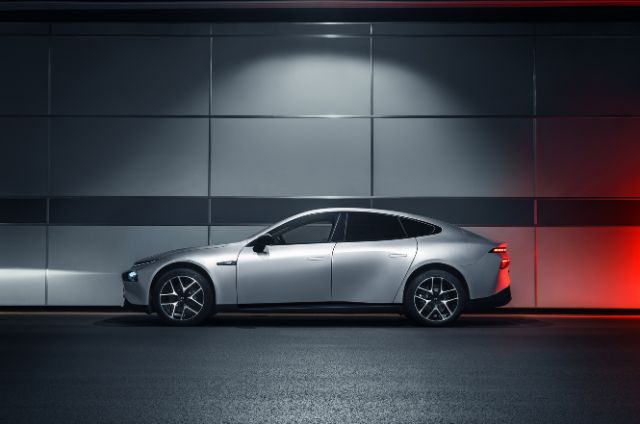
XPENG turned an international policy forum into a live driving showcase in Shanghai. During the UN/WP.29 Informal Working Group on Automated Driving Systems (IWG ADS) session, the Chinese EV maker invited global delegates to experience its AI-powered driver assistance in real traffic.
The gathering marked the first offline IWG ADS meeting held in China. It brought together regulators, safety experts, and industry leaders working on shared rules for automated driving worldwide. XPENG was the only emerging Chinese automaker to participate fully and host on-road demonstrations.
From Policy Dialogue to Passenger Seats
Instead of relying on slides or simulations, XPENG chose a hands-on approach. Delegates from Canada, the European Union, Japan, the United Kingdom, and the United States rode in XPENG vehicles equipped with its XNGP driving system.
The routes included dense urban streets and high-speed highways. Along the way, participants observed how the system detects its surroundings, predicts traffic behavior, and executes driving decisions in real time. The experience highlighted how large-scale, data-driven AI handles the unpredictability of everyday traffic.
Equally important, XPENG emphasized safety. Delegates saw how driver monitoring, human-machine interaction, and layered safeguards work together to support attentive driving. As a result, the demonstrations offered a rare, direct look at AI-assisted driving beyond test tracks.
Built on Years of Regulatory Engagement
XPENG’s presence did not come overnight. The company has contributed to international ADAS discussions since 2023 and joined IWG ADS sessions in 2025. This history helped frame the Shanghai demonstrations as part of an ongoing dialogue rather than a one-off display.
By combining policy engagement with real-world testing, XPENG positioned itself as an active participant in shaping how intelligent driving systems evolve globally.
Looking Ahead to Smarter Mobility
During the session, XPENG also shared details about its upcoming VLA 2.0 architecture. This next-generation Vision-Language-Action system aims to process visual input more efficiently and translate it into smoother, faster vehicle actions.
Building on this foundation, XPENG plans to advance Robotaxi trials in China later this year. Through collaboration, transparency, and real-world validation, the company continues pushing toward safer and more capable intelligent mobility on a global scale.