Cold Weather Hits EVs Hard
If you’ve noticed your range dropping lately, you’re not alone. EV batteries lose efficiency in the cold—sometimes up to 30%. That’s due to slowed battery chemistry, dense air, and extra energy used for heating.
Add heaters, defrosters, and cold tires, and it’s no wonder your miles-per-charge take a hit. But with the right habits, you can take back control.
Charge Smart—100% Is Okay Sometimes
Normally, stopping at 80% helps protect long-term battery health. But in freezing weather, it’s fine to charge to 100% when you need the extra range. Just don’t do it every night.
Many EVs even include a built-in buffer, so “full” isn’t truly maxed out.
Keep It Plugged In Overnight
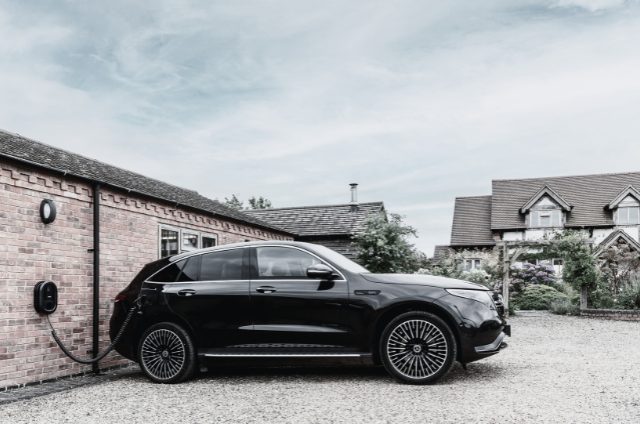
Leaving your EV plugged in during freezing nights helps maintain battery temperature. Most modern EVs use wall power to manage the pack even while parked. That keeps range more stable and avoids slow charging in the morning.
Precondition Before You Drive
Warming your car while it’s plugged in is a game changer. It saves battery, makes the ride more comfortable, and avoids using precious energy to defrost after you unplug. Many EVs let you start heat via app or key fob.
Precondition the battery too—especially before fast charging. Cold batteries charge slower unless warmed up first.
Use Winter Driving Features
Eco Mode helps stretch range by dialing back power. Snow Mode boosts traction and controls torque delivery more smoothly. Use them both when it’s icy to stay efficient and safe.
Traction’s Great—But Tires Matter More
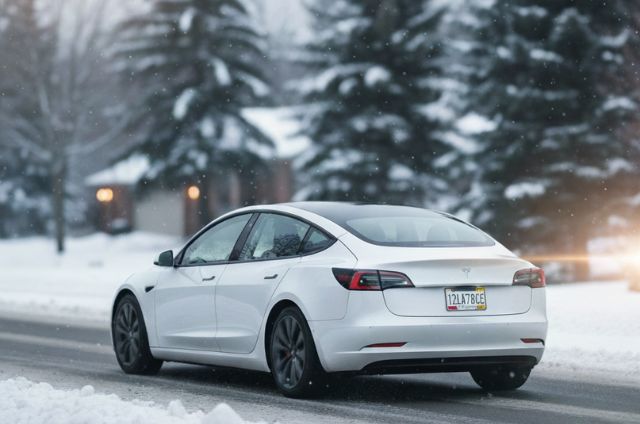
EVs offer instant torque and better weight distribution, making them surprisingly capable in snow. Still, nothing beats proper winter tires. All-wheel drive and software help, but rubber makes the biggest difference.
Final Word
Winter doesn’t ruin EVs—it just rewrites the playbook. Stay ahead by charging smart, preconditioning often, and gearing up with the right tools. Your EV can handle the cold. Now you can too.