The Uncontested Leader (For Now)
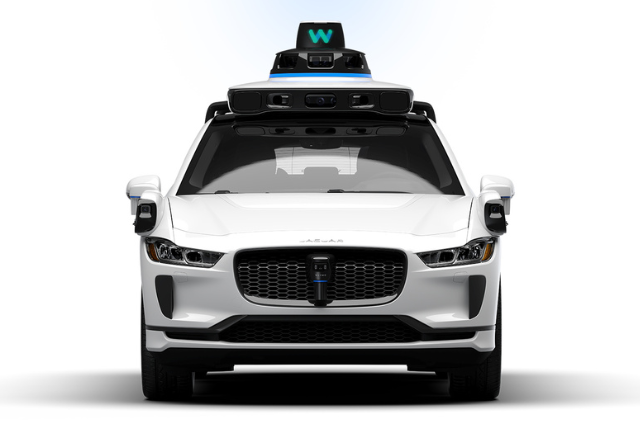
If the robotaxi race ended today, Waymo would win the West. No one else—not Tesla, not Zoox—comes close to its current scale. Waymo is already running fully driverless rides in multiple U.S. cities, clocking over 400,000 rides per week.
Now, it’s raising the stakes.
$16 Billion for Rapid Global Growth
Waymo just announced a $16 billion funding round, led by major names like Sequoia, Dragoneer, DST Global, and Alphabet, its parent company. The post-money valuation? A staggering $126 billion.
Waymo says this investment marks a “new era” of autonomous mobility. It plans to expand to 20+ cities by 2026, with sights set on London, Tokyo, and other major global markets.
Safety Stats That Speak
The company didn’t hold back on the safety pitch. Across 127 million miles of autonomous driving, Waymo claims a 90% drop in serious injury crashes compared to humans.
It’s not just marketing—Waymo shares its safety data publicly, something few rivals do.
A Real Business, Not Just a Demo
In 2025 alone, Waymo tripled its annual ride volume to 15 million. That’s not proof of concept—that’s operational scale.
This momentum is fueling investor confidence and making Waymo harder to catch.
So, Is China in the Plans?
Probably not. Despite calling it “global expansion,” Waymo is likely focused on Western markets. China’s regulatory climate makes entry nearly impossible. Still, Europe and the U.S. alone present a massive opportunity.
Why Waymo’s Data Advantage Matters
Autonomous driving isn’t just about sensors and AI—it’s about data. Waymo has logged over 127 million fully driverless miles, a number competitors can’t touch. Every ride helps refine its software, avoid edge-case mistakes, and push safety higher.
This massive head start gives Waymo a self-learning loop. The more it drives, the better it gets—and the harder it becomes to catch.
2026: The Year Waymo Goes Everywhere
Waymo’s goal isn’t just domination in Phoenix or San Francisco. With its $16 billion raise, it’s prepping for a 20-city leap in 2026. That includes major global metros like Tokyo and London, along with deeper U.S. expansion.
This isn’t a tech demo anymore. It’s a rollout strategy. And if it works, robotaxis might go mainstream faster than anyone expected.