Tesla wants to turn the home into a smarter energy machine.
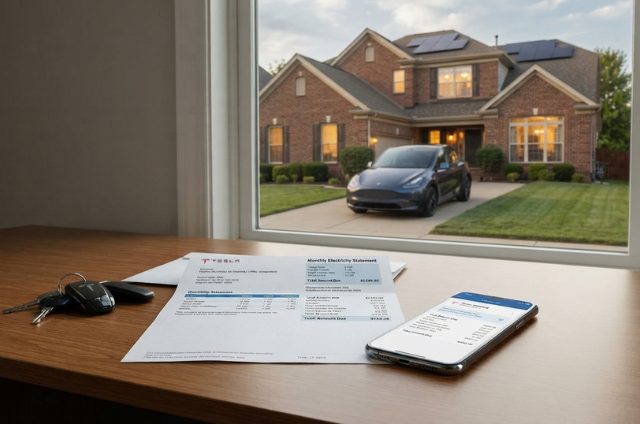
The company has launched Tesla Home, a new AI-powered home energy management system designed to lower electricity costs. Instead of simply storing backup power, the system studies how a household uses energy and then makes decisions based on price, solar output, battery levels, and future demand.
How Tesla Home Works
At the center of Tesla Home is Opticaster, Tesla’s AI optimization software. The system tracks energy consumption inside the home. Then, it forecasts how much solar power the property may produce and how much energy the household may need later.
From there, Opticaster builds an energy plan around the user’s goals. That could mean saving money, relying more on solar power, or using stored energy more efficiently.
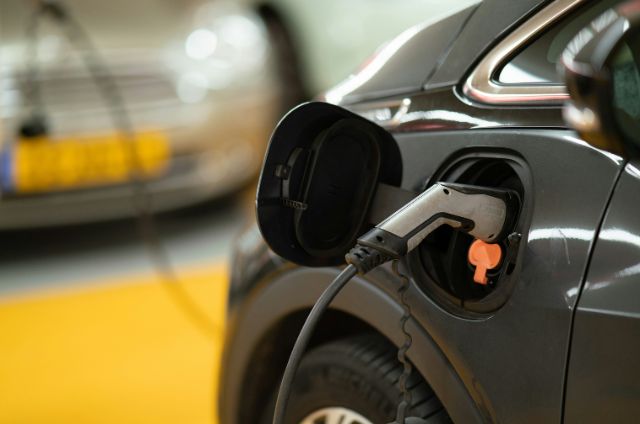
When electricity prices rise, Tesla Home can shift the house toward solar or Powerwall battery energy. Then, when rates fall, it can charge Powerwall batteries or connected EVs from solar or the grid.
Powerwall Becomes More Important
Powerwall remains the core of the setup. However, Tesla now wants it to act as more than an emergency backup battery.
With Tesla Home, Powerwall becomes part of a larger energy network. The system can connect with Solar Panels, Solar Roof, Wall Connector, and some third-party energy products. Tesla says customers do not need extra equipment to use the platform.
That matters because it keeps the upgrade simple for existing Tesla energy users. They can manage the system through the Tesla app.
A Smarter Grid Play
Tesla also includes virtual power plant access. That means homeowners may sell stored energy back to the grid where supported.
The company says Opticaster has been trained on more than 100 million hours of Powerwall operating data. That gives the software a large base of real-world energy behavior to learn from.
Why It Matters
Electricity prices keep pushing homeowners to look for smarter energy tools. Tesla Home gives Tesla a bigger role inside the home, not just the garage.
As AI starts managing power use in real time, the next energy upgrade may come from software.