China is putting the brakes on the touchscreen-only car interior.
Starting July 1, 2027, automakers in China will need to include physical controls for key safety functions. The move targets a growing trend across modern EVs, where brands have moved more features into central screens to create cleaner cabins and reduce hardware complexity.
However, regulators now appear to believe the industry pushed the idea too far.
Why Screens Became So Popular
Touchscreens gave automakers a simple advantage. One large display can replace dozens of switches, knobs, and stalks. It also allows brands to update layouts through software instead of redesigning physical parts.
Tesla helped make this approach mainstream. From the early Model S to newer models, the company built much of the driving experience around a center screen. Over time, even functions like gear selection and wiper controls moved deeper into software.
Then, other brands followed. Many Chinese EV startups leaned even harder into screen-heavy interiors. As a result, some cabins started to look futuristic, but not always easy to use.
China Wants Safety Functions Within Reach
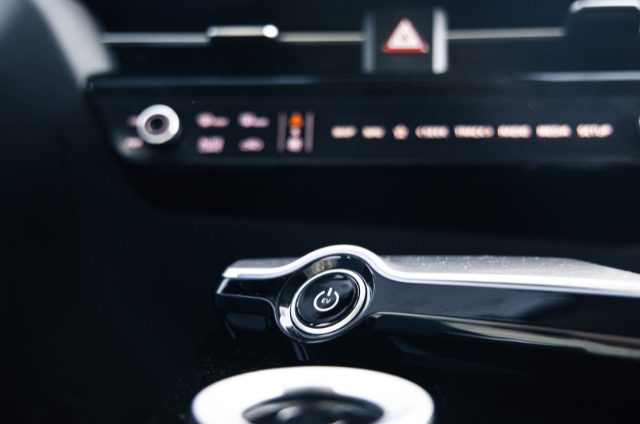
The new Chinese rule focuses on functions drivers may need quickly. The list includes turn signals, hazard lights, the horn, gear selection, wipers, defrosters, power windows, emergency calls, driver-assist controls, and EV power-off switches.
That distinction matters. A frozen infotainment screen may make music or climate settings annoying. But losing fast access to wipers, hazards, or defrost can create a real safety risk.
So, China is not banning screens. Instead, it is drawing a clear line between convenience features and safety-critical controls.
The Industry Was Already Moving Back
This shift did not come out of nowhere. Some automakers have already started bringing back buttons after customer complaints. Drivers often like clean design, but they also want controls they can find without staring away from the road.
China has also taken aim at hidden door handles, with a separate rule set to begin earlier in 2027.
A Bigger Signal for EV Design
Europe has also moved in this direction by linking physical controls to top safety ratings. The U.S. has not followed with the same urgency.
Still, China’s rule could reshape global car interiors. Once automakers redesign vehicles for the world’s largest EV market, those buttons may start appearing everywhere.