A Smaller EV With Big Ambitions
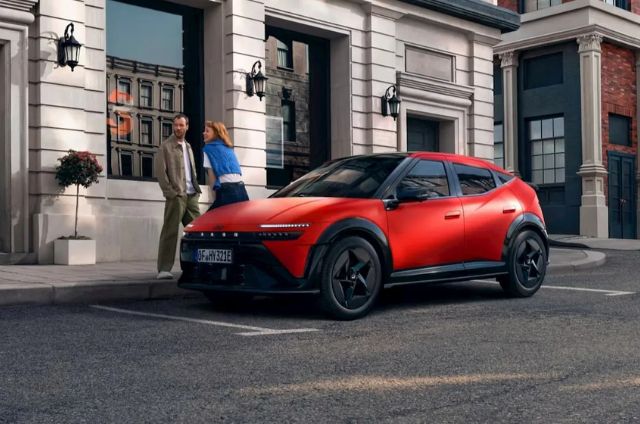
Hyundai has officially unveiled the new IONIQ 3, a compact electric hatchback designed to be a more affordable entry point into its growing EV lineup. Positioned below the IONIQ 5, the new model focuses on efficiency, practicality, and everyday usability.
Revealed during Milan Design Week, the IONIQ 3 introduces a fresh “Aero Hatch” design that blends aerodynamic efficiency with a compact footprint, while still maintaining a spacious interior.
Impressive Range for Its Size
Despite being smaller than rivals like the ID.3, the IONIQ 3 delivers competitive range figures. It will be available with two battery options:
- 42.2 kWh battery: up to 213 miles (344 km) WLTP
- 61 kWh battery: up to 308 miles (496 km) WLTP
Fast charging from 10% to 80% takes around 29–30 minutes, making it practical for daily use and longer trips.
New Infotainment Experience
The IONIQ 3 is the first model to feature Hyundai’s new Pleos Connect infotainment system. Built on an Android-based platform, it offers a smartphone-like experience with improved connectivity and usability.
Drivers can choose between 12.9-inch and 14.6-inch displays, providing access to navigation, media, and vehicle controls in a more intuitive layout.
Compact Outside, Spacious Inside
Even with its smaller size, the IONIQ 3 is designed to maximize interior space. Hyundai says the cabin offers flexible storage and a roomy feel thanks to smart packaging and layout.
It also comes equipped with the brand’s latest SmartSense driver assistance features, including highway driving assist, remote parking, and surround-view monitoring.
Will It Come to the US?
The IONIQ 3 is expected to start at around $33,000–$35,000, making it one of the more affordable EVs in Hyundai’s lineup. However, it is not currently expected to launch in the US due to tariffs and lower demand for compact hatchbacks.
The Big Picture
The IONIQ 3 shows how automakers are pushing to make EVs more accessible without sacrificing range or technology. It’s a clear sign that smaller, efficient electric cars are still evolving—even if they don’t always reach every market.