The world tour plan
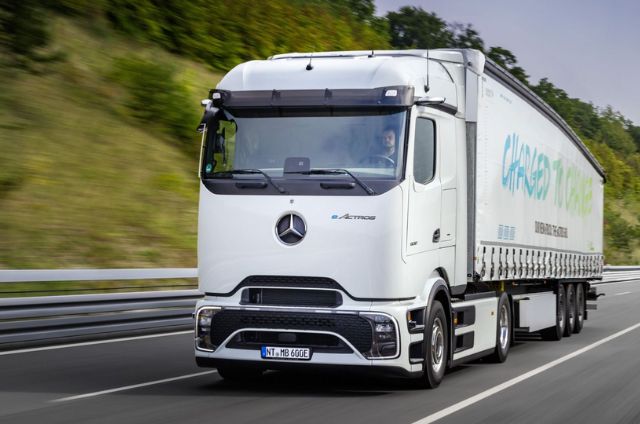
A German YouTuber known as “Elektrotrucker” is preparing to attempt something never done before: driving a Mercedes-Benz eActros 600 around the world. The trip will span roughly 38 countries and about 40,000 km, making it the first planned circumnavigation of the globe in a heavy-duty electric truck.
The journey is expected to take around nine months and will start in Germany. The route includes Europe, West Africa, South America, Central America, and parts of Asia before looping back to Europe, testing the limits of electric trucking in very different environments.
Charging challenges at scale
The truck being used is the Mercedes eActros 600, equipped with a massive 621 kWh battery pack. While that gives strong range for a semi, it also creates a major charging challenge in regions without reliable fast-charging infrastructure.
Mercedes is adding modifications like an integrated mobile charging unit and extra equipment to help adapt to different plug standards. Even so, many charging stops will depend on low-power outlets, which could take hours or even days compared to modern megawatt chargers.
Why this matters for EV trucks
The goal of the trip is not just travel, but proof. The creator wants to show that electric heavy-duty trucking is already viable beyond Europe’s well-developed infrastructure. He argues that real-world logistics are less restrictive than most skeptics assume.
Supporters of the project point to previous long-distance EV challenges across deserts, poles, and continents as evidence that electrification can scale further than expected. This attempt extends that idea into global freight transport, one of the toughest sectors to decarbonize.
EV reality check
Despite the ambition, the trip highlights the gap between theory and reality for long-haul electric trucking. Charging times, infrastructure availability, and route planning all remain major constraints compared to diesel equivalents.
Still, even partial success would mark a milestone. If the eActros completes the journey, it would strengthen the argument that electric freight is not just a regional solution, but something that could eventually operate worldwide with the right infrastructure buildout.